
412-428-0008
Schedule a Consult
Now Accepting New Patients
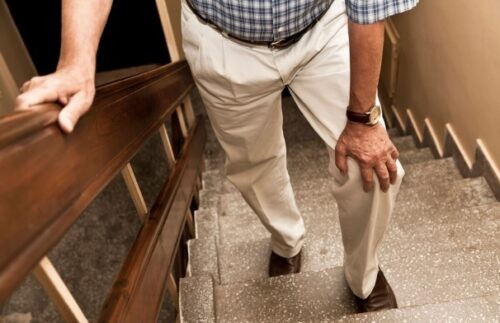
Many people in Bethel Park struggle with knee pain every day. Whether you’re walking, standing, or climbing stairs, that pain can make life difficult. You might even stop doing things you love, like playing with grandkids, going for walks, or working in your yard. You’re not alone — and there is real hope.
At the Chronic Conditions Center, we offer non-surgical, drug-free knee pain therapy in Bethel Park that helps reduce pain and improve movement, without injections or knee replacement.
Knee pain is a common issue, especially for older adults. The knee is one of the most used joints in your body. Over time, it can wear down, become inflamed, or get injured.
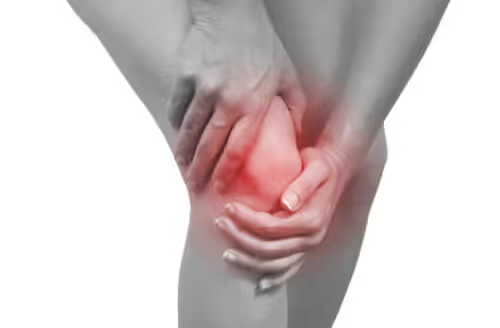
If you’re dealing with any of these, it’s time to explore effective knee pain treatment in Bethel Park that doesn’t rely on drugs or surgery.
Our goal is to help you get back to living life without constant knee pain. We want to help you move better, feel better, and enjoy daily activities again — all through our proven, non-invasive knee pain correction in Bethel Park.
Many types of knee problems can cause long-term pain:
Most treatments only cover up the pain. But at the Chronic Conditions Center, we focus on correcting the real cause of your knee problem with targeted knee pain therapy in Bethel Park.
All of this is part of a complete plan made just for you. Every person is different — and so is every care plan.
Our patients report incredible results after just a few weeks:
We specialize in long-term knee pain relief in Bethel Park without risky procedures.
We’ve helped thousands of people take control of their knee pain — and we want to help you too. At the Chronic Conditions Center, our mission is to help you heal naturally and get your life back.
If you’re looking for real knee pain correction in Bethel Park, now’s the time to act.
Ready to stop living in pain? Call today to schedule your first visit and see if you’re a candidate for our powerful knee pain therapy in Bethel Park.
Your knees can feel better. You can move again. Let’s make it happen — together.
Great question, and I get asked this all the time. Most knee pain doesn’t come from one big injury. It builds up slowly from years of wear and tear, weak muscles around the joint, or inflammation somewhere else in your body that ends up settling in your knee. The knee is often just the messenger. My job is to find out what’s actually sending that message.
Not necessarily, and I want you to hear that loud and clear. Surgery is a tool, not the only answer. A lot of people are told to “wait until it’s bad enough” for a knee replacement, but nobody talks about what you can do in the meantime to strengthen the joint, calm inflammation, and improve how you move. Many of my patients find real relief without ever going under the knife.
Pills and injections can dull the pain for a little while, but they don’t fix why the pain is there in the first place. It’s like turning off a smoke alarm without putting out the fire. I’d rather figure out what’s causing the fire, whether that’s alignment, muscle imbalance, or inflammation, and deal with that directly.
Yes, more than most people realize. Your knee is a hinge that depends on the muscles above and below it, your hips, glutes, quads, and calves, to keep it stable. When those muscles get weak or tight, the knee absorbs stress it was never built to handle. Strengthening the right muscles the right way takes pressure off the joint itself.
Usually not. In fact, the right kind of movement is often part of the solution. What matters is how you move, not whether you move at all. Sitting still and avoiding activity tends to make joints stiffer and weaker over time. I help patients find movement that supports the knee instead of aggravating it.
Extra weight puts more load on the knees, that part is true. But it’s not just about the pounds on the scale. Inflammation from diet and metabolic health plays a bigger role than most people think. I look at the whole picture, not just body weight, because two people who weigh the same can have very different levels of knee pain.
Not if you address the actual cause. Pain tends to get worse when the underlying problem is ignored year after year. But when we identify what’s really driving your knee pain, whether it’s alignment, muscle weakness, or inflammation, and correct it, most people see steady improvement instead of steady decline.
Start with gentle movement, avoid sitting for long stretches without getting up, and pay attention to what you’re eating since inflammatory foods can make joint pain worse. These small steps won’t solve everything on their own, but they’re a good starting point while we figure out the deeper cause together.
Most people come to me after they’ve already tried rest, pills, or even injections, and nothing stuck. I don’t chase the pain. I look for the root cause, whether that’s how your joints are moving, how your muscles are firing, or inflammation somewhere in your body. Once we find that, we build a plan to correct it, drug-free and without surgery.
The best way to know is to get evaluated. Every knee is different, and every case has its own story behind it. I sit down with each patient, look at the full picture, and give it to you straight about what I think is going on and what your options are.