
412-428-0008
Schedule a Consult
Now Accepting New Patients
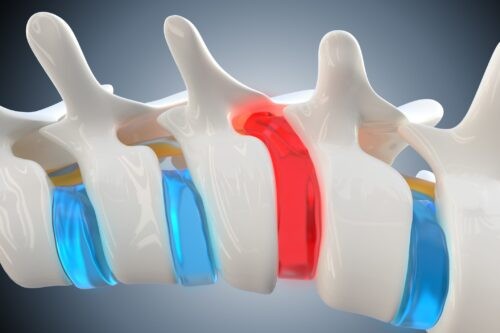
Maybe it’s the night you lie awake at 2am, shifting positions for the hundredth time, trying to find one spot where the burning down your leg finally stops. Maybe it’s the morning you sit on the edge of the bed, dreading the first step, because you already know what that first step is going to feel like. Maybe it’s the birthday party you skipped, the walk you cut short, the grandchild you couldn’t scoop up off the floor because your back would not let you.
If you’ve been living inside that calculation for weeks, months, or years, I want you to know two things. First — what’s happening to you has a name and a reason, and it isn’t a mystery. Second — you are not stuck here. There is a natural, drug-free, non-surgical path back to the life you’ve been missing, and it starts with understanding what’s actually going on in your body.
It can start suddenly, after a lift gone wrong or an awkward sneeze. Or it can build quietly over years of sitting, driving, or physical strain until one day your body simply says enough. Either way, the result is the same: a nerve that won’t stop shouting, and a life that keeps shrinking around it.
For most people, the standard path looks like this: a prescription to dull the pain, or a referral where the word “surgery” starts getting used. Neither one actually fixes the disc or frees the nerve.
Medication quiets the alarm without addressing what set it off. Surgery is a bigger step, and it carries real risks — infection, nerve damage, long recoveries, and no guarantee the pain won’t return. It’s no wonder so many people feel stuck between “just live with it” and “risk everything to fix it.”
There is a third option, and it’s the one I want you to know about.
Chiropractic care, combined with targeted therapies, addresses the actual cause of sciatica and disc pain instead of simply muting the pain signal. Spinal decompression gently stretches the spine to create a natural vacuum effect inside the disc, drawing the herniated material back toward center and off the irritated nerve, while improving blood flow so the disc can actually heal.
Chiropractic adjustments restore proper alignment and take the uneven pressure off the spine that likely contributed to the problem in the first place. Soft tissue therapy releases the muscles that tighten up to “protect” the injury, but often end up making the pain worse. Laser therapy calms inflammation and nerve irritation at the cellular level. Shockwave therapy reaches the stubborn, long-standing tension that’s settled in after months or years of guarding. And clinical nutrition supports the disc itself, because it’s living tissue that needs the right building blocks to repair.
None of these require a pill, a needle, or an operating room. This is care that is drug-free, non-surgical, and natural — designed to work with your body instead of overriding it. And when these therapies are coordinated under one roof, with one team tracking your progress, your recovery isn’t scattered across five different offices and five different opinions. It’s one plan, built around you.
Real recovery isn’t just a lower number on a pain scale. It’s tying your shoes without bracing. It’s making it through a full day at work without shifting every ten minutes. It’s sleeping through the night. It’s walking the dog, playing with your grandkids, taking the trip you’ve been putting off — without pain deciding the terms.
That transformation is why patient satisfaction runs so high among people who choose this path. They don’t just feel a little better. They get back the parts of themselves the pain had quietly taken away.
If you’re ready to stop managing the pain and start reclaiming your life, come in for a consultation and examination. Let’s find out exactly what’s driving your pain — and build the path that gets you back to the life you thought you’d lost.
Think of the discs in your spine like little jelly donuts sitting between each bone. When one of those discs gets damaged, the soft center can push out through a crack in the tough outer layer. That bulge can press on nearby nerves, which is usually where the pain, numbness, or tingling comes from.
Not automatically, and this is something I really want people to understand. Surgery gets talked about like it’s the only fix, but plenty of herniated discs improve without ever being operated on. The body actually has a remarkable ability to heal and reabsorb disc material over time when it’s given the right support.
Injections and pills can take the edge off the pain for a while, but they don’t do anything to help the disc itself heal or take pressure off the nerve. It’s a temporary patch, not a repair. I’d rather work on reducing the pressure and inflammation at the source so your body can do the healing.
Yes, it happens more often than people are told. Studies have shown discs can shrink back down over months as the body reabsorbs the material that pushed out. What I focus on is creating the best conditions for that healing, taking pressure off the disc, calming inflammation, and improving how your spine moves.
Too much bed rest can actually work against you. Muscles get weak, stiffness sets in, and blood flow to the area slows down, none of which helps healing. The key is knowing which movements help and which ones make things worse. That’s exactly what I help patients figure out.
It’s rarely just one thing. Years of poor posture, repetitive bending or lifting, weak core muscles, and general wear and tear all add up over time. Sometimes one bad lift is just the final straw on a disc that was already weakened. That’s why fixing the pain isn’t enough, we have to fix what led to it.
Most people are not stuck with it. Once we take pressure off the affected nerve and get your spine moving and supporting itself the way it should, the body has a real chance to calm down and heal. I’ve seen it happen again and again in my practice.
That’s usually the nerve being irritated or compressed by the disc. The nerves that come out of your lower back travel all the way down the leg, so pressure up at the source can show up as symptoms far away from where the actual problem is. That’s why chasing the leg pain alone rarely solves anything.
Avoid sitting for long stretches, since sitting puts more pressure on your discs than standing does. Gentle walking is usually a good idea. And pay attention to how you bend and lift, using your legs and core instead of rounding your back. These aren’t cures, but they can keep things from getting worse.
A lot of my patients come in after being told to just rest, take pills, or consider surgery, with nobody explaining why the disc herniated in the first place. I look at the whole picture, your posture, your movement patterns, your core strength, to find the actual cause and build a plan around fixing it, drug-free and without surgery.