Category: Chiropractic

  • Rheumatoid Arthritis Relief in Bethel Park, PA

    Rheumatoid Arthritis Relief in Bethel Park, PA

    Understanding Rheumatoid Arthritis: A New Path to Healing

    What Is Rheumatoid Arthritis and Why Does It Matter?

    At the Chronic Conditions Center in Bethel Park, PA, we see many patients struggling with rheumatoid arthritis every single day. Rheumatoid arthritis is a condition that causes pain, swelling, and stiffness in the joints. Unlike regular arthritis that comes from wear and tear, rheumatoid arthritis happens when your immune system attacks your own body by mistake. This condition affects over 1.3 million Americans, and many of them feel frustrated with traditional treatment options.

    Furthermore, rheumatoid arthritis doesn’t just affect one joint. Instead, it typically attacks joints on both sides of your body at the same time. For example, if your right hand hurts, your left hand probably hurts too. This pattern helps doctors identify the condition and separate it from other types of joint problems.

    How Rheumatoid Arthritis Affects Your Daily Life

    Living with rheumatoid arthritis creates many challenges. First, morning stiffness makes it hard to get out of bed and start your day. Additionally, simple tasks like opening jars, buttoning shirts, or holding a coffee cup become difficult and painful. Many people with this condition also feel extremely tired, even after a full night of sleep.

    Moreover, the disease doesn’t stay the same all the time. Some days feel better than others. During flare-ups, the pain and swelling get much worse. Between flare-ups, symptoms might calm down a bit. However, without proper treatment, the condition usually gets worse over time and can damage joints permanently.

    The emotional impact is just as real as the physical pain. Many patients tell us they feel frustrated because they can’t do activities they once enjoyed. Similarly, they worry about becoming dependent on others for help. These feelings are completely normal and valid.

    Why Many People Feel Disappointed with Drug-Only Treatment

    Traditional medicine typically treats rheumatoid arthritis with powerful medications. Doctors usually prescribe disease-modifying antirheumatic drugs (DMARDs), biologics, or steroids. While these medications can help reduce inflammation, they often come with serious side effects that concern many patients.

    Consequently, people taking these drugs frequently experience nausea, liver problems, increased infection risk, and stomach issues. Some medications require regular blood tests to monitor for dangerous side effects. Therefore, many patients feel like they’re trading one set of problems for another.

    In addition, these medications often cost thousands of dollars each month. Even with insurance, the copays can be overwhelming. Because of this, some people can’t afford to take their prescribed medications consistently.

    Furthermore, medications typically only address symptoms rather than the root causes of inflammation. They work to suppress the immune system, but they don’t help the body heal itself. As a result, patients must continue taking these drugs indefinitely, often with increasing doses over time.

    Many patients also feel frustrated because their doctors spend only a few minutes with them during appointments. Instead of exploring lifestyle factors or alternative approaches, they simply adjust medication dosages. This approach leaves people feeling like they’re just a prescription pad rather than a whole person.

    The Rise of Holistic Approaches to Rheumatoid Arthritis

    Because of these frustrations, more people are seeking holistic approaches to managing rheumatoid arthritis. A holistic approach means looking at the whole person, not just the diseased joints. This includes considering diet, stress levels, sleep quality, exercise habits, and emotional health.

    At our center, we believe the body has an amazing ability to heal when given the right support. Rather than just suppressing symptoms, we focus on reducing inflammation naturally and supporting the body’s own healing processes. This approach takes more time and effort, but many patients find it more effective and sustainable in the long run.

    Importantly, holistic care doesn’t mean abandoning all conventional medicine. Instead, it means combining the best of different approaches to create a personalized treatment plan. Some patients reduce their medication needs significantly, while others use holistic therapies alongside their prescriptions for better results.

    How Chiropractic Care Helps Rheumatoid Arthritis

    Chiropractic care plays a crucial role in managing rheumatoid arthritis holistically. Many people think chiropractors only treat back pain, but they actually help with joint problems throughout the entire body. Through gentle adjustments, chiropractors improve joint alignment and movement.

    When joints move properly, they experience less stress and inflammation. Additionally, proper alignment helps reduce pain signals going to the brain. This means patients often need less pain medication after starting regular chiropractic care.

    Moreover, chiropractors use special techniques designed specifically for people with rheumatoid arthritis. These gentle methods don’t involve forceful cracking or twisting. Instead, they use light pressure and mobilization techniques that feel comfortable even for inflamed joints.

    Our chiropractors also teach patients exercises and stretches to do at home. These movements help maintain flexibility and prevent joints from becoming stiff. Regular practice helps patients stay more active and independent in their daily lives.

    Functional Medicine: Finding the Root Causes

    Functional medicine represents another important piece of the holistic approach to rheumatoid arthritis. Unlike conventional medicine that treats symptoms, functional medicine practitioners search for underlying causes of inflammation and immune system problems.

    First, functional medicine doctors run comprehensive tests to check for hidden issues. These might include food sensitivities, gut health problems, nutrient deficiencies, or toxin exposures. Surprisingly, many of these factors contribute to rheumatoid arthritis symptoms without people realizing it.

    For example, many patients discover they have “leaky gut,” a condition where the intestinal lining becomes damaged. This allows partially digested food particles and toxins to enter the bloodstream. Consequently, the immune system attacks these foreign substances, which can trigger or worsen autoimmune conditions like rheumatoid arthritis.

    Additionally, functional medicine focuses heavily on nutrition. Certain foods increase inflammation, while others reduce it. By identifying and eliminating trigger foods, many patients experience significant symptom improvement. Anti-inflammatory diets rich in vegetables, healthy fats, and clean proteins help calm the immune system naturally.

    Furthermore, functional medicine doctors often find that patients have nutrient deficiencies that make symptoms worse. Common deficiencies include vitamin D, omega-3 fatty acids, and minerals like magnesium. Correcting these deficiencies through high-quality supplements helps the body function better and reduces inflammation.

    Stress management also receives attention in functional medicine. Chronic stress increases inflammation throughout the body and can trigger rheumatoid arthritis flare-ups. Therefore, practitioners help patients develop stress-reduction techniques like meditation, deep breathing, or gentle yoga.

    The Power of Laser Therapy for Rheumatoid Arthritis

    Laser therapy has emerged as an exciting treatment option for rheumatoid arthritis. This approach uses specific wavelengths of light to penetrate deep into tissues and reduce inflammation at the cellular level. Best of all, it’s completely painless and has no side effects.

    During laser therapy sessions, patients simply relax while a device directs healing light energy to affected joints. The treatment typically takes only 10-15 minutes per session. Most people describe feeling a gentle warmth during the procedure.

    How does it work? The laser light stimulates cells to produce more energy and repair themselves faster. Additionally, it increases blood flow to the treated area, bringing more oxygen and nutrients while removing waste products. This process naturally reduces swelling and pain.

    Many patients notice improvements after just a few sessions. They report being able to move more easily and experiencing less morning stiffness. Furthermore, the benefits tend to build over time with regular treatments.

    Laser therapy also helps damaged tissues heal more completely. Over time, this can prevent some of the joint damage that typically occurs with rheumatoid arthritis. While it doesn’t cure the condition, it significantly improves the quality of life for many patients.

    Soft Tissue Therapies Make a Real Difference

    Soft tissue therapies address the muscles, tendons, and ligaments surrounding affected joints. When someone has rheumatoid arthritis, these soft tissues often become tight, knotted, and painful. They can even restrict joint movement and make symptoms worse.

    Massage therapy helps by relaxing tight muscles and improving circulation. However, massage for rheumatoid arthritis requires special training and techniques. Our therapists use gentle methods that don’t aggravate inflamed joints.

    Additionally, myofascial release therapy targets the fascia, the connective tissue that surrounds muscles. When fascia becomes restricted, it creates pain and limits movement. By releasing these restrictions, patients gain better mobility and experience less discomfort.

    Trigger point therapy represents another valuable soft tissue approach. Trigger points are tight knots in muscles that cause pain in other areas. By releasing these points, therapists can reduce widespread pain patterns common in rheumatoid arthritis.

    Moreover, soft tissue work helps the body remove inflammatory chemicals from affected areas. This happens because massage and manual therapy improve lymphatic drainage, which is the body’s waste removal system. Better drainage means less buildup of inflammatory substances around joints.

    Bringing It All Together: A Comprehensive Treatment Plan

    The real power comes from combining all these approaches into one comprehensive treatment plan. At the Chronic Conditions Center, we create personalized programs that address each patient’s unique needs and circumstances.

    A typical patient might receive chiropractic adjustments twice weekly to improve joint function. At the same time, they work with our functional medicine team to heal their gut, eliminate food triggers, and correct nutrient deficiencies. Meanwhile, they receive laser therapy sessions to reduce inflammation and speed healing.

    Furthermore, regular soft tissue therapy keeps muscles relaxed and promotes good circulation. Our team also provides education about lifestyle factors like sleep, stress management, and gentle exercise. This comprehensive approach addresses rheumatoid arthritis from every angle.

    Importantly, we monitor progress carefully and adjust treatments as needed. Some approaches work better for certain patients than others. By staying flexible and responsive, we help each person find the combination that works best for them.

    Real Results People Are Experiencing

    Many patients tell us they wish they had discovered this holistic approach sooner. One patient reported that after six months of combined treatment, she reduced her medication by 75% with her doctor’s approval. Another patient said he could play with his grandchildren again without constant pain.

    Similarly, several patients have shared that they no longer wake up with severe morning stiffness. Others mention being able to return to hobbies they had given up, like gardening, knitting, or playing guitar. These quality-of-life improvements mean everything to people who had felt limited by their condition.

    While results vary from person to person, most patients experience meaningful improvements within the first few months. Some notice changes within weeks, especially reduced pain and better mobility. Long-term benefits continue to develop as the body heals and inflammation decreases.

    Taking the First Step Toward Healing

    If you’re struggling with rheumatoid arthritis and feeling frustrated with conventional treatment alone, a holistic approach might be right for you. The journey starts with a comprehensive evaluation to understand your unique situation and health history.

    During your first visit, we take time to listen to your story and understand your goals. We don’t rush through appointments or simply write prescriptions. Instead, we partner with you to create a realistic, effective treatment plan that fits your life.

    Living with rheumatoid arthritis doesn’t mean accepting a life of pain and limitation. By combining chiropractic care, functional medicine, laser therapy, and soft tissue treatments, many people find relief they never thought possible. Your body has remarkable healing abilities when given the right support and care.

    At the Chronic Conditions Center in Bethel Park, PA, we’re committed to helping people with rheumatoid arthritis reclaim their lives. We believe everyone deserves to feel their best and live without constant pain. If you’re ready to explore a different approach, we’re here to help guide you on your healing journey.

  • Peripheral Neuropathy Treatment without Surgery

    Peripheral Neuropathy Treatment without Surgery

    Peripheral Neuropathy Treatment without Surgery: Evidence-Based Guide

    Understanding Peripheral Neuropathy: A Comprehensive Overview

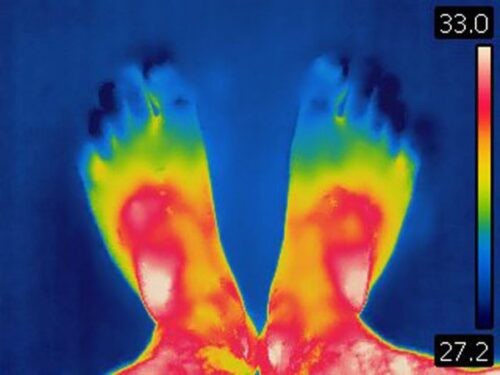
    Peripheral neuropathy affects millions of Americans each year, causing debilitating symptoms that dramatically reduce quality of life. At the Chronic Conditions Center in Bethel Park, PA, we’ve witnessed firsthand how this condition devastates patients who feel trapped by conventional treatment limitations. Furthermore, we’ve discovered that effective peripheral neuropathy management extends far beyond the typical pharmaceutical approach, offering genuine hope through evidence-based, non-surgical interventions.

    The peripheral nervous system serves as your body’s communication network, transmitting signals between your brain, spinal cord, and every other part of your body. When this intricate system becomes damaged, patients experience numbness, tingling, burning sensations, and debilitating pain. Moreover, these symptoms often worsen at night, disrupting sleep and creating a cascade of additional health challenges.

    The Traditional Medical Approach: What Doctors Typically Prescribe For Peripheral Neuropathy

    Conventional medicine generally addresses nerve damage through a predictable protocol. Initially, physicians order diagnostic tests, including nerve conduction studies and electromyography, to confirm the diagnosis. Subsequently, they prescribe medications designed to manage symptoms rather than address underlying causes.

    The standard pharmaceutical arsenal typically includes gabapentin, pregabalin, duloxetine, and various antidepressants. Additionally, doctors may recommend topical creams containing capsaicin or lidocaine for localized relief. In severe cases, practitioners sometimes suggest opioid medications, despite growing concerns about addiction and dependence.

    However, this conventional approach operates primarily as symptom management rather than genuine healing. Consequently, patients find themselves taking multiple medications indefinitely, often experiencing minimal improvement while dealing with significant side effects.

    Critical Limitations of the Drug-Based Approach

    The pharmaceutical model for treating nerve damage presents numerous concerning limitations. First and foremost, medications merely mask symptoms without addressing the root causes of nerve deterioration. Therefore, patients remain on these drugs indefinitely, never experiencing true recovery or regeneration.

    Furthermore, the side effects from these medications frequently create new health problems. Gabapentin and pregabalin commonly cause dizziness, drowsiness, weight gain, and cognitive impairment. Meanwhile, duloxetine can trigger nausea, dry mouth, constipation, and sexual dysfunction. These adverse effects often become so troublesome that patients discontinue treatment, leaving them without any relief whatsoever.

    Additionally, many patients develop tolerance to these medications over time. As a result, they require increasingly higher doses to achieve the same level of symptom control. This escalation pattern eventually reaches a ceiling where no additional benefit occurs, regardless of dosage increases.

    The financial burden represents another significant limitation. These medications cost hundreds of dollars monthly, and insurance coverage varies widely. Consequently, many patients cannot afford consistent treatment, leading to gaps in therapy and worsening symptoms.

    Perhaps most troubling, research shows that these drugs provide only modest benefit for many patients. Clinical studies reveal that approximately 30-40% of individuals experience meaningful pain reduction from these medications. Therefore, the majority of patients continue suffering despite adhering to prescribed pharmaceutical regimens.

    The Chronic Conditions Center Approach: Addressing Root Causes of Peripheral Neuropathy

    At our Bethel Park facility, we’ve developed a comprehensive strategy that differs dramatically from conventional medical treatment. Instead of simply masking symptoms, we focus on creating conditions that allow nerves to heal and regenerate naturally. This approach combines three critical elements: improving circulation, stimulating nerves through mechanical and electronic methods, and optimizing the internal terrain.

    Improving Circulation: The Foundation of Nerve Health

    Adequate blood flow serves as the cornerstone of nerve regeneration. Without sufficient circulation, damaged nerves cannot receive the oxygen, nutrients, and growth factors necessary for repair. Consequently, we prioritize therapeutic interventions that enhance vascular function throughout the peripheral nervous system.

    Red light therapy represents one of our most effective circulation-enhancing modalities. This infrared light therapy penetrates deep into tissues, causing vasodilation and increasing blood flow to affected areas. Research demonstrates that near-infrared wavelengths stimulate nitric oxide release, a crucial molecule that relaxes blood vessel walls and improves microcirculation.

    Clinical studies have shown remarkable results with infrared therapy. One investigation published in the Journal of Diabetes and Its Complications found that patients receiving infrared treatments experienced significant improvements in sensation, pain levels, and nerve conduction velocity. Moreover, these benefits persisted for months after treatment completion, suggesting genuine tissue healing rather than temporary symptom suppression.

    We also incorporate compression therapy to enhance venous return and lymphatic drainage. By facilitating the removal of metabolic waste products and inflammatory mediators, compression treatments create a healthier environment for nerve regeneration. Additionally, improved circulation delivers more white blood cells to damaged areas, supporting immune function and tissue repair.

    Exercise prescription forms another critical component of our circulation enhancement strategy. We design individualized programs that promote cardiovascular fitness without exacerbating symptoms. Walking, swimming, and cycling particularly benefit patients by increasing heart rate, dilating blood vessels, and improving overall vascular health. Furthermore, regular physical activity helps regulate blood sugar levels, which proves especially important for diabetic patients.

    Mechanical and Electronic Nerve Stimulation: Awakening Dormant Pathways

    Nerve stimulation serves as the second pillar of our treatment approach. By directly activating nerve fibers through various methods, we can reduce pain, improve function, and potentially promote nerve regeneration.

    The Nerve Spa delivers controlled electrical impulses through electrodes placed in water. These signals stimulate large-diameter nerve fibers, which inhibit pain transmission according to the gate control theory of pain. Additionally, the Nerve Spa may trigger endorphin release, providing natural pain relief without pharmaceutical side effects.

    Research supports the effectiveness of this intervention. A systematic review in the journal Pain Medicine analyzed multiple studies and concluded that Nerve Spa provides significant pain reduction for patients with various forms of nerve damage. Moreover, this modality produces minimal adverse effects, making it suitable for long-term use.

    We’ve also achieved excellent results with a nerve ReBuilder (EMS). Unlike TENS, which primarily targets sensory nerves, EMS activates motor nerves to produce muscle contractions. These contractions serve multiple purposes: they prevent muscle atrophy, improve local circulation, and may stimulate nerve regeneration through mechanical signals.

    High-frequency vibration therapy represents another powerful tool in our arsenal. Whole-body vibration platforms and localized vibration devices deliver rapid mechanical stimulation to nerves and muscles. Studies indicate that this therapy improves balance, increases muscle strength, and reduces pain in patients with various forms of nerve damage.

    Manual therapy techniques also play a vital role in our mechanical stimulation protocol. Our practitioners employ specific massage techniques, joint mobilization, and myofascial release to address nerve entrapment, reduce muscle tension, and improve tissue mobility. Furthermore, these hands-on interventions provide sensory input that may help retrain the nervous system and reduce aberrant pain signals.

    Class IV laser therapy has emerged as a particularly promising treatment modality. Unlike cold lasers, Class IV devices deliver higher power levels that penetrate deeper into tissues. Research suggests that laser therapy reduces inflammation, accelerates tissue healing, and may directly stimulate nerve regeneration through photobiomodulation effects.

    Optimizing the Internal Terrain: Creating Conditions for Healing

    The third component of our approach focuses on creating an optimal internal environment for nerve health. After all, damaged nerves exist within a complex biochemical landscape that either supports or hinders their recovery.

    Nutritional optimization forms the foundation of internal terrain improvement. We assess each patient’s dietary patterns and identify deficiencies that may contribute to nerve damage or impair healing. B vitamins, particularly B1, B6, and B12, play crucial roles in nerve function and regeneration. Deficiencies in these nutrients can directly cause or worsen nerve damage.

    Alpha-lipoic acid represents one of the most extensively researched nutrients for nerve health. This powerful antioxidant reduces oxidative stress, improves blood flow, and may directly support nerve regeneration. Multiple clinical trials have demonstrated its effectiveness, particularly for diabetic patients. One landmark German study found that alpha-lipoic acid significantly reduced symptoms and improved nerve function compared to a placebo.

    Omega-3 fatty acids also deserve special attention. These essential fats reduce inflammation, support nerve cell membrane health, and may promote nerve regeneration. Research published in Neuroscience Letters demonstrated that omega-3 supplementation enhanced nerve regeneration rates in animal models, suggesting potential benefits for human patients as well.

    Blood sugar management proves absolutely critical, especially for diabetic patients. Elevated glucose levels directly damage nerves through multiple mechanisms, including increased oxidative stress, advanced glycation end-product formation, and impaired blood flow. Therefore, we work closely with patients to optimize their diet, exercise habits, and, when necessary, diabetes medications to maintain stable blood sugar levels.

    Inflammation reduction represents another key focus area. Chronic inflammation damages nerves and impairs their ability to heal. We address this through dietary modifications emphasizing anti-inflammatory foods, targeted supplementation with compounds like curcumin and resveratrol, and lifestyle interventions including stress management and adequate sleep.

    Addressing metabolic factors extends beyond blood sugar control. We evaluate thyroid function, vitamin D status, and other hormonal parameters that influence nerve health. Hypothyroidism, for instance, can directly cause or contribute to nerve damage, and correcting this condition may dramatically improve symptoms.

    Weight management also factors into our comprehensive approach. Excess body weight increases inflammation, worsens metabolic dysfunction, and can mechanically compress nerves. Consequently, we help patients achieve a healthy weight through sustainable dietary changes and appropriate physical activity.

    Evidence Supporting Non-Surgical Interventions for the Treatment of Peripheral Neuropathy

    The scientific literature increasingly validates comprehensive, non-pharmaceutical approaches to nerve damage management. A growing body of research demonstrates that addressing multiple factors simultaneously produces superior outcomes compared to single-modality treatments.

    One study published in the Journal of Alternative and Complementary Medicine examined a multimodal program combining nutritional support, infrared therapy, and physical rehabilitation. Patients experienced significant improvements in pain, sensation, and quality of life measures. Moreover, these benefits persisted at six-month follow-up, indicating lasting therapeutic effects.

    Research from the Journal of Diabetes Science and Technology evaluated infrared therapy specifically for diabetic nerve damage. The investigators found that 90% of patients experienced increased sensation in their feet, while 75% reported decreased pain. Additionally, many participants showed improved nerve conduction studies, suggesting actual nerve healing rather than mere symptom management.

    A comprehensive review in the Alternative Medicine Review analyzed nutritional interventions for nerve damage. The authors concluded that several nutrients, including alpha-lipoic acid, B vitamins, and omega-3 fatty acids, demonstrate significant therapeutic potential with minimal risk. Furthermore, combining these nutrients appears to produce synergistic benefits exceeding what any single supplement provides.

    Studies examining exercise interventions consistently demonstrate positive outcomes. Research published in Diabetes Care found that regular aerobic exercise improved nerve function, reduced pain, and enhanced quality of life in diabetic patients. These benefits occurred independent of weight loss, suggesting that exercise provides direct neuroprotective effects.

    Clinical Success at the Chronic Conditions Center

    Our clinical experience in Bethel Park consistently validates these evidence-based approaches. We’ve treated hundreds of patients who previously found little relief from conventional treatments. Many arrive at our center after years of pharmaceutical management, frustrated by persistent symptoms and medication side effects.

    One representative case involves a 58-year-old diabetic man who had suffered from progressive nerve damage for seven years. Despite taking gabapentin, duloxetine, and various other medications, he continued experiencing severe burning pain and numbness in both feet. Sleep disturbance left him exhausted, and he had begun using a cane due to balance problems.

    After beginning our comprehensive program, he experienced noticeable improvements within three weeks. His burning pain decreased by approximately 40%, and he began sleeping better. By three months, his pain had reduced by 70%, his balance had improved dramatically, and he had discontinued the cane. Furthermore, nerve conduction studies showed measurable improvements in nerve function—something rarely seen with pharmaceutical treatments alone.

    Another patient, a 62-year-old woman with chemotherapy-induced nerve damage, achieved similarly impressive results. Conventional medicine offered her little beyond pain medications, which provided minimal relief while causing intolerable side effects. Through our program emphasizing circulation enhancement, nerve stimulation, and nutritional support, she regained significant sensation in her feet and experienced substantial pain reduction. Most importantly, she avoided the progressive disability that conventional medicine had told her to expect.

    Understanding Treatment Timelines and Expectations

    Patients frequently ask how quickly they can expect improvement from peripheral neuropathy. Honestly, nerve healing requires time and patience. Unlike medications that may provide rapid symptom suppression, genuine tissue regeneration occurs gradually over weeks and months.

    Most patients notice initial improvements within two to four weeks of beginning treatment. These early changes typically include reduced pain intensity, improved sleep quality, and slightly better sensation. However, substantial improvements generally require consistent treatment for three to six months.

    Some patients experience even more dramatic recoveries extending beyond six months. Nerves regenerate slowly, typically growing approximately one millimeter per day. Consequently, complete recovery from significant nerve damage may require a year or longer. Nevertheless, patients consistently report that the sustained, progressive improvement they experience with our approach far exceeds the plateau effect commonly encountered with pharmaceutical management.

    The Importance of Early Intervention

    Timing significantly impacts treatment outcomes. Nerves possess remarkable regenerative capacity when damage remains relatively mild. However, severe, long-standing nerve destruction may result in permanent deficits that no treatment can fully reverse.

    Therefore, we strongly encourage individuals experiencing early symptoms—such as mild tingling, occasional numbness, or slight balance changes—to seek comprehensive care immediately. Early intervention offers the best opportunity for complete recovery and prevention of progressive disability.

    Unfortunately, many patients wait years before pursuing alternatives to conventional treatment. During this time, nerve damage worsens, and treatment becomes more challenging. While we can still help these individuals, their recovery may be incomplete compared to those who intervene earlier.

    Integrating Conventional and Alternative Approaches

    We don’t position our treatment approach as opposing conventional medicine. Rather, we advocate for integrating evidence-based alternative therapies with appropriate conventional treatments when necessary. Some patients require medications for pain management while their nerves heal. Others need conventional medical management of underlying conditions like diabetes.

    The key distinction lies in viewing medications as short-term symptom management tools rather than long-term solutions. Simultaneously, we implement comprehensive interventions addressing the root causes of nerve damage. This integrated approach optimizes outcomes while minimizing medication dependence and side effects.

    We also maintain collaborative relationships with referring physicians, regularly communicating about patient progress and coordinating care. This teamwork ensures that patients receive comprehensive, well-coordinated treatment addressing all aspects of their health.

    Lifestyle Factors Supporting Long-Term Success

    Successful nerve damage management extends beyond clinical treatments to encompass comprehensive lifestyle modifications. We emphasize several key areas that significantly impact treatment outcomes.

    Sleep quality dramatically affects nerve health and pain perception. Poor sleep increases inflammation, impairs healing, and lowers pain thresholds. Therefore, we help patients optimize sleep through proper sleep hygiene, addressing sleep disorders, and, when necessary, natural sleep support supplements.

    Stress management also proves crucial. Chronic stress elevates cortisol levels, increases inflammation, and impairs immune function—all factors that hinder nerve healing. We teach patients practical stress reduction techniques, including meditation, deep breathing exercises, and progressive muscle relaxation.

    Smoking cessation represents a non-negotiable requirement for optimal outcomes. Tobacco use constricts blood vessels, reduces oxygen delivery to tissues, and directly damages nerves. Patients who continue smoking invariably experience inferior results compared to those who quit.

    Alcohol consumption requires careful consideration as well. Excessive alcohol intake directly damages nerves and impairs vitamin absorption. While moderate consumption may be acceptable for some patients, those with alcohol-related nerve damage must abstain completely.

    Looking Forward: The Future of Non-Surgical Treatment of Peripheral Neuropathy

    Research into non-surgical nerve damage treatments continues to advance rapidly for peripheral neuropathy. Emerging technologies show tremendous promise for further improving outcomes.

    Photobiomodulation research has expanded significantly, with new wavelengths and treatment protocols under investigation. Early studies suggest that combining multiple wavelengths may produce superior results compared to single-wavelength treatments.

    Pulsed electromagnetic field therapy represents another promising avenue. This technology delivers specific electromagnetic frequencies that may enhance nerve regeneration, reduce inflammation, and improve circulation. While research remains preliminary, initial results appear encouraging.

    Advances in nutritional science continue to reveal new therapeutic targets. For instance, recent research on acetyl-L-carnitine, N-acetylcysteine, and specialized pro-resolving mediators suggests these compounds may offer additional neuroprotective and regenerative benefits.

    Conclusion: A New Paradigm for Peripheral Neuropathy Management

    The evidence overwhelmingly supports a paradigm shift in how we approach nerve damage treatment. Rather than accepting lifelong pharmaceutical management with limited effectiveness and significant side effects, patients can pursue comprehensive, evidence-based interventions that address root causes and promote genuine healing.

    At the Chronic Conditions Center in Bethel Park, PA, we’ve witnessed remarkable transformations in patients who previously felt hopeless. By improving circulation, stimulating nerves through mechanical and electronic methods, and optimizing the internal terrain, we’ve helped hundreds of individuals reclaim their quality of life.

    The limitations of the drug-based approach have become increasingly apparent. While medications may provide temporary symptom relief for some patients, they fail to address underlying causes, frequently produce troublesome side effects, and rarely lead to genuine improvement in nerve function.

    In contrast, our comprehensive approach offers real hope for lasting improvement for peripheral neuropathy. Patients typically experience progressive symptom reduction, improved function, and in many cases, measurable nerve regeneration. These outcomes occur without the side effects, costs, and limitations associated with lifelong pharmaceutical management.

    If you’re struggling with nerve damage symptoms, we encourage you to explore comprehensive treatment options. The sooner you address not just symptoms but underlying causes, the better your chances for significant recovery. Nerves possess remarkable healing capacity when provided with proper support through improved circulation, targeted stimulation, and an optimized internal environment.

    Don’t settle for merely managing symptoms when genuine healing remains possible. The evidence clearly demonstrates that non-surgical, comprehensive interventions can produce outcomes that conventional pharmaceutical approaches rarely achieve. Your journey toward recovery can begin today.

  • Understanding and Treating Spinal Stenosis

    Understanding and Treating Spinal Stenosis

    Finding Hope: Understanding and Treating Spinal Stenosis

    Living with back pain can feel overwhelming. However, at the Chronic Conditions Center in Bethel Park, PA, we help people find relief from spinal stenosis every day. Spinal stenosis affects thousands of people in our community, causing pain that makes everyday activities difficult. Nevertheless, modern treatments offer real solutions without surgery.

    What Is Spinal Stenosis?

    First, let’s understand what happens inside your spine. Your spinal cord runs through a tunnel of bone in your back. This tunnel protects the nerves that control your body. Unfortunately, sometimes this tunnel becomes too narrow. When the space gets smaller, it squeezes the nerves inside. This squeezing causes the pain and problems we call spinal stenosis.

    Most importantly, this condition develops slowly over time. Many people don’t notice symptoms right away. Instead, the discomfort gradually increases over months or years. As a result, patients often adapt to the pain without realizing something serious is happening.

    Common Signs and Symptoms of Spinal Stenosis

    Initially, spinal stenosis might cause only minor discomfort. However, symptoms typically worsen as time passes. Many patients experience pain in their lower back that radiates down their legs. Additionally, numbness and tingling sensations often occur in the feet and legs.

    Walking becomes particularly challenging for many people. After walking for a short distance, pain and cramping may force you to stop and rest. Furthermore, standing for long periods can trigger similar symptoms. Interestingly, sitting or bending forward usually provides temporary relief because these positions open up the spinal canal slightly.

    Beyond pain, spinal stenosis can affect your balance and coordination. Some people develop weakness in their legs, making it harder to climb stairs or stand up from a chair. In severe cases, the condition can even interfere with bladder or bowel control, although this is less common.

    Why Does Spinal Stenosis Happen?

    Understanding the causes helps us create better treatment plans. Primarily, aging plays a significant role in developing spinal stenosis. As we get older, the tissues in our spine change. Ligaments become thicker and less flexible. Meanwhile, bones may develop extra growth called bone spurs.

    Arthritis represents another major factor. This condition causes inflammation and changes in the joints of your spine. Over time, arthritis can narrow the spinal canal considerably. Similarly, herniated discs can bulge into the spinal canal, reducing available space for nerves.

    Previous injuries sometimes contribute to the problem as well. An old back injury might create changes that lead to stenosis years later. Likewise, some people are born with naturally narrow spinal canals, making them more susceptible to developing symptoms as they age.

    How We Diagnose Spinal Stenosis

    At our Bethel Park facility, we begin with a thorough examination. During your first visit, we discuss your symptoms in detail. We want to know when the pain started, what makes it better, and what makes it worse. Subsequently, we perform physical tests to check your strength, flexibility, and reflexes.

    Often, we recommend imaging studies to see exactly what’s happening in your spine. X-rays show the bones and can reveal arthritis or bone spurs. Meanwhile, MRI scans provide detailed pictures of the soft tissues, including nerves and discs. These images help us create a personalized treatment plan for your specific situation.

    Our Approach to Treatment

    Rather than immediately suggesting surgery, we focus on conservative treatments that work. Our comprehensive approach combines multiple therapies to address your pain effectively. Each treatment targets different aspects of the problem, working together to provide lasting relief.

    Chiropractic Care Makes a Difference

    Chiropractic treatment forms the foundation of our approach. Through gentle adjustments, we improve the alignment of your spine. Better alignment reduces pressure on compressed nerves. Moreover, these adjustments help restore normal movement to stiff joints.

    Our chiropractors use specialized techniques designed specifically for spinal stenosis patients. Unlike forceful manipulations, we employ gentle methods that are safe and comfortable. Additionally, we teach you exercises that support the adjustments and maintain improvements between visits.

    Many patients notice improvements after just a few sessions. Pain levels decrease, and movement becomes easier. Furthermore, regular chiropractic care can prevent symptoms from returning. By maintaining proper spinal alignment, we keep pressure off your nerves consistently.

    Laser Therapy Brings Modern Technology to Healing

    Next, we incorporate advanced laser therapy into treatment plans. This cutting-edge technology uses specific wavelengths of light to promote healing deep within tissues. The laser penetrates through your skin without causing any pain or discomfort.

    Inside your body, the laser energy stimulates cellular activity. Consequently, blood flow increases to the affected area, bringing oxygen and nutrients that tissues need to heal. At the same time, inflammation decreases significantly. This reduction in swelling creates more space in the spinal canal, relieving pressure on nerves.

    Patients appreciate that laser therapy sessions are quick and relaxing. Each treatment takes only about 15 minutes. During the session, you simply lie comfortably while the laser does its work. Afterward, you can immediately return to your normal activities without any downtime.

    The benefits accumulate with each session. Initially, you might notice reduced inflammation and easier movement. Then, as treatments continue, pain levels drop considerably. Many people find they can do activities they had given up, like gardening or playing with grandchildren.

    Shockwave Therapy Breaks Through Chronic Pain

    Shockwave therapy offers another powerful tool in our treatment arsenal. This innovative approach uses acoustic waves to stimulate healing in damaged tissues. Despite the name, the treatment doesn’t involve electricity or actual shocks.

    The shockwave device sends rapid pulses of energy into the affected area. These pulses trigger your body’s natural healing response. As a result, blood vessel formation increases, bringing fresh nutrients to injured tissues. Simultaneously, the therapy breaks down scar tissue and calcium deposits that may be contributing to your pain.

    Patients often report significant pain reduction after shockwave treatments. The therapy seems particularly effective for chronic conditions that haven’t responded well to other approaches. Moreover, improvements tend to be long-lasting rather than just temporary relief.

    Treatment sessions typically last about 20 minutes. Although you might feel some pressure during the procedure, most people tolerate it easily. Any minor discomfort during treatment is brief and manageable. Best of all, the benefits continue developing for weeks after each session as healing progresses.

    Spinal Decompression Creates Space for Healing

    Perhaps our most dramatic results come from spinal decompression therapy. This treatment gently stretches your spine, creating negative pressure inside the spinal discs. The stretching opens up the spinal canal, immediately reducing pressure on compressed nerves.

    During a decompression session, you lie comfortably on a specialized table. The computerized system applies gentle pulling forces to your spine in a precise, controlled manner. The pulling alternates with relaxation periods, allowing tissues to respond gradually. Throughout the treatment, you remain fully clothed and in control.

    The benefits of spinal decompression are remarkable. First, the stretching creates more space for nerves, providing immediate relief. Second, the negative pressure helps injured discs pull back into their proper position. Third, nutrients and oxygen flow into damaged disc tissue, promoting healing that lasts.

    Many patients experience significant improvement after their very first session. Pain decreases noticeably, and movement becomes less restricted. As treatments continue, these improvements build upon each other. Eventually, many people find they can return to activities they thought were impossible.

    Combining Treatments for Maximum Results

    What makes our approach special is how we combine these therapies. Instead of using just one treatment, we create customized plans that address your unique needs. For instance, we might use chiropractic adjustments to improve alignment, followed by laser therapy to reduce inflammation.

    Then, we could add shockwave therapy to break down scar tissue and stimulate healing. Finally, spinal decompression creates the space your nerves need to function properly. Together, these treatments work synergistically, meaning they enhance each other’s effectiveness.

    This comprehensive strategy produces results that single treatments cannot achieve alone. Consequently, patients often experience faster relief and more complete recovery. Furthermore, the combination approach reduces the likelihood of symptoms returning.

    Real Results for Real People

    Throughout our years serving the Bethel Park community, we’ve helped countless individuals overcome debilitating pain. People who struggled to walk their dogs now enjoy daily walks again. Grandparents who couldn’t lift their grandchildren are playing actively with them. Workers who feared losing their jobs due to pain are performing their duties comfortably.

    These success stories motivate us every day. Watching someone regain their quality of life reminds us why we chose this profession. More importantly, these results demonstrate that surgery isn’t always necessary. Conservative treatments, when properly applied, can produce life-changing improvements.

    Your Journey to Relief Starts Here

    Living with nerve pain and limited mobility doesn’t have to be your future. At the Chronic Conditions Center in Bethel Park, we offer hope and practical solutions. Our team of experienced professionals understands what you’re going through because we’ve helped so many people with similar struggles.

    Taking the first step might feel intimidating, but we make the process easy and comfortable. During your initial consultation, we’ll listen carefully to your concerns and explain everything thoroughly. We’ll answer all your questions honestly and help you understand your options clearly.

    Remember, every day you wait is another day of unnecessary suffering. Modern treatments are available right here in your community. Don’t let fear or uncertainty keep you from getting the help you deserve.

    If back pain is limiting your life, contact us today. Together, we’ll create a treatment plan designed specifically for your situation. With dedication and the right approach, relief is possible. Let us help you reclaim the active, pain-free life you deserve. Your journey toward better health and renewed mobility begins with a simple phone call to our Bethel Park office.

  • Wrist and Hand Pain: Your Path To Lasting Relief

    Wrist and Hand Pain: Your Path To Lasting Relief

    Wrist and Hand Pain: Your Path to Lasting Relief

    Does typing on your computer make your fingers ache? Do you struggle to open jars or grip your steering wheel? At the Chronic Conditions Center in Bethel Park, PA, we understand how wrist and hand pain can affect everything you do. From brushing your teeth to writing a text message, these essential body parts help you accomplish countless daily tasks. When they hurt, your entire life becomes more difficult. Fortunately, we specialize in treating these conditions using safe, effective methods. In this guide, we’ll explore what causes these problems and how our treatments can help you feel better.

    Understanding Why Your Wrists and Hands Hurt

    Your hands contain 27 bones each, along with numerous muscles, tendons, ligaments, and nerves. Additionally, your wrists serve as the connection point between your forearms and hands. Because these areas are so complex and constantly in use, many things can go wrong.

    Carpal tunnel syndrome ranks as one of the most common conditions we treat. This problem occurs when a nerve gets compressed as it passes through your wrist. Consequently, you might experience tingling, numbness, or weakness in your thumb and first three fingers. Many people notice their symptoms worsen at night or when gripping objects.

    Similarly, arthritis affects millions of people’s hands and wrists. This condition causes joints to become stiff, swollen, and tender. Over time, arthritis can make simple tasks feel impossible. Furthermore, different types of arthritis exist, including osteoarthritis and rheumatoid arthritis, each requiring specific treatment approaches.

    Tendinitis represents another frequent issue we address. This condition happens when tendons become inflamed from repetitive motions. For instance, people who type all day often develop tendinitis in their wrists. Likewise, musicians, athletes, and craftspeople frequently experience this problem.

    Beyond these common conditions, other issues can develop. De Quervain’s tenosynovitis affects the tendons on your thumb side. Meanwhile, trigger finger causes your fingers to lock or catch when you bend them. Moreover, injuries from falls or accidents can lead to chronic discomfort that persists for months.

    How Your Spine Affects Your Hands

    Surprisingly, many people don’t realize that neck and upper back problems can cause hand troubles. Indeed, nerves travel from your cervical spine down through your shoulders, arms, and into your hands. Therefore, when something compresses these nerves in your neck, you might feel the effects all the way to your fingertips.

    Consequently, we examine your entire upper body, not just the sore spots. Sometimes, a pinched nerve in your spine creates radiating discomfort down your arm and into your hand. In these situations, treating only your wrist won’t solve the real problem. Instead, we need to address what’s happening in your neck and upper back.

    Additionally, poor posture contributes significantly to hand and wrist troubles. When you slouch forward or crane your neck while working at a computer, you put extra stress on nerves and muscles. Over time, this stress leads to inflammation throughout your arms and hands. By correcting alignment issues in your spine, we often resolve hand problems that seemed unrelated.

    Chiropractic Care: Restoring Proper Alignment and Function

    Chiropractic adjustments form the foundation of many treatment plans at our center. Essentially, chiropractors ensure your bones are positioned correctly throughout your body. When your joints align properly, your nerves function better, and your body can heal itself more effectively.

    During an adjustment, your chiropractor applies gentle, precise pressure to move bones back into their correct positions. As a result, pressure comes off nerves and inflammation decreases. Patients frequently tell us they notice immediate improvement after their first session. However, lasting relief typically requires several treatments over time.

    Besides adjusting your spine, we also work directly on your wrist and hand joints. Specifically, we evaluate how all these small bones move together. Through careful adjustments, we restore normal movement patterns. Subsequently, your muscles and tendons can relax and begin repairing themselves.

    Moreover, chiropractic care addresses root causes rather than just masking symptoms. Unlike medications that only cover up discomfort, adjustments help your body function correctly again. Therefore, many patients reduce or eliminate their need for pain medications.

    We also teach you specific exercises and stretches to perform between visits. These activities strengthen supporting muscles and improve flexibility throughout your arms and hands. Consequently, your progress continues even when you’re not in our office. Over time, these exercises help prevent future problems from developing.

    Furthermore, we examine your workspace and daily activities to identify contributing factors. Simple changes to your desk setup or work habits can make a tremendous difference. For example, adjusting your keyboard height or taking regular breaks can significantly reduce strain on your hands and wrists.

    Laser Therapy: Accelerating Natural Healing Processes

    Next, let’s discuss one of our most advanced treatment options. Laser therapy uses specific wavelengths of light to stimulate healing deep within your tissues. Although it might sound futuristic, this treatment has helped thousands of patients recover faster from various conditions.

    This therapy works by penetrating beneath your skin to reach damaged muscles, tendons, ligaments, and nerves. Once the light reaches these areas, it triggers several beneficial responses. First, it increases blood flow to the region, bringing fresh oxygen and nutrients. Second, it reduces inflammation and swelling that cause discomfort.

    Additionally, laser therapy boosts cellular energy production. When your cells have more energy, they repair damage much faster. Therefore, healing time decreases significantly. Furthermore, this treatment is completely painless and involves no needles, cutting, or medications.

    During a session, your therapist positions the laser device over the affected area. Then, the light does its work for approximately 10 to 15 minutes. Most people describe feeling gentle warmth during treatment. Afterward, many patients experience immediate relief from their symptoms.

    We typically recommend multiple sessions for optimal results. With each treatment, your tissues continue improving. Gradually, inflammation fades and normal function returns. Importantly, laser therapy works exceptionally well when combined with our other services.

    Research shows that laser therapy can reduce recovery time by up to 50 percent. Moreover, it helps chronic conditions that haven’t responded to other treatments. Patients with carpal tunnel syndrome, arthritis, and tendinitis all benefit from this innovative approach.

    The treatment is particularly effective for nerve-related conditions. Laser therapy helps reduce nerve inflammation and restore normal nerve function. Consequently, symptoms like tingling, numbness, and burning often improve dramatically. Many patients who were considering surgery find they can avoid it through laser therapy combined with our other treatments.

    Shockwave Therapy: Breaking Through Chronic Problems

    Sometimes, chronic conditions need a more aggressive intervention. That’s where shockwave therapy proves invaluable. This treatment uses acoustic waves to break up scar tissue and restart your body’s healing process. Although it sounds intense, most patients handle it quite well.

    Here’s how it operates: the device sends powerful sound waves into your damaged tissues. These waves create tiny, controlled disruptions that trick your body into healing the area again. Initially, this might seem counterintuitive. However, chronic problems often stop improving because your body considers the injury old news.

    By creating these controlled disruptions, shockwave therapy essentially resets your healing timeline. Fresh blood flows to the region, carrying nutrients and oxygen. Meanwhile, old scar tissue breaks down and your body rebuilds healthier tissue in its place.

    Patients with tendinitis see particularly impressive results from this treatment. Likewise, people with calcium deposits in their tendons experience significant improvement. The shockwaves can actually break up these buildups, allowing normal tissue to regenerate.

    During treatment, you’ll feel rhythmic pulses hitting the affected area. Some patients report mild discomfort, but it remains very tolerable. Each session lasts approximately 5 to 10 minutes. Typically, we recommend a series of treatments spaced one to two weeks apart.

    Furthermore, shockwave therapy produces lasting results. Unlike temporary solutions, this treatment actually changes the structure of your tissues. Many patients experience relief for months or even years after completing their treatment series.

    This therapy works especially well for trigger finger and De Quervain’s tenosynovitis. The acoustic waves help release tight tendons and reduce inflammation around the affected areas. Additionally, shockwave therapy can improve grip strength and restore range of motion in stiff fingers and thumbs.

    Soft Tissue Therapy: Releasing Tension and Restoring Movement

    Your muscles, tendons, ligaments, and fascia all work together to move your hands and wrists smoothly. When these soft tissues become tight, scarred, or inflamed, movement becomes difficult and painful. Fortunately, specialized soft tissue therapy can restore flexibility and eliminate discomfort.

    Our therapists employ various hands-on techniques to release tension. For example, we use instrument-assisted massage to break up adhesions between tissue layers. Similarly, we apply trigger point therapy to release tight knots in your forearm muscles. Each technique targets specific problems in your soft tissues.

    Active Release Technique proves particularly effective for hand and wrist conditions. This method involves moving your hands and fingers through specific positions while the therapist applies pressure to tight areas. As a result, scar tissue breaks up and muscles return to their normal length and flexibility.

    Additionally, myofascial release addresses restrictions in the fascia, the thin tissue covering your muscles. When fascia becomes tight or twisted, it restricts movement and causes discomfort. By gently stretching and manipulating this tissue, we restore normal sliding between layers.

    Soft tissue therapy also improves circulation to damaged areas. Better blood flow means more oxygen and nutrients reach your tissues. Consequently, healing accelerates and inflammation decreases. Over time, your range of motion expands, and movements that once hurt become comfortable again.

    Moreover, we focus specifically on the muscles in your forearms. Many people don’t realize that tight forearm muscles contribute significantly to hand and wrist problems. These muscles control finger movement through long tendons that pass through your wrist. When forearm muscles become tight or overworked, they pull on these tendons and cause problems throughout your hands.

    We also teach you specific stretches and strengthening exercises to perform at home. Through consistent practice, your muscles become more flexible and resilient. Eventually, you’ll notice improved grip strength and less soreness during daily activities. These exercises also help prevent problems from returning after treatment ends.

    Creating Your Personalized Treatment Plan

    At the Chronic Conditions Center, we never use a one-size-fits-all approach. Instead, we create customized plans that combine multiple therapies. This comprehensive strategy produces faster, more complete healing than any single treatment alone.

    For instance, we might begin with chiropractic adjustments to restore proper alignment throughout your spine, arms, and hands. Next, we could add laser therapy to reduce inflammation and accelerate tissue repair. Then, soft tissue therapy would release tight muscles and break up scar tissue. Finally, shockwave therapy might address stubborn calcifications or chronic tendon problems.

    Each person receives an individualized plan based on several factors. We consider how long you’ve had the problem, its severity, and your overall health. Some patients notice significant improvement within a few visits. Others with chronic issues might need care over several weeks or months.

    Throughout your treatment, we monitor your progress carefully. If something isn’t working as expected, we adjust your plan accordingly. This flexibility ensures you’re always receiving the most effective care possible. Our goal isn’t just temporary relief – we want lasting results that transform your quality of life.

    What You Can Expect During Treatment

    Starting treatment can feel overwhelming, especially if you’ve been suffering for a long time. However, we make the process simple and comfortable. Your journey begins with a thorough evaluation where we listen to your concerns and examine your hands, wrists, arms, and spine.

    After your initial assessment, we’ll explain our findings using plain language. We avoid confusing medical jargon because we want you to truly understand what’s happening. Then, we’ll present our recommended treatment plan and answer all your questions. We believe informed patients achieve better results.

    As you progress through treatment, you should notice gradual improvements. Perhaps you’ll first observe decreased morning stiffness in your fingers. Later, you might realize you can type without discomfort. Eventually, impossible activities become easy again. These small victories build into significant improvements.

    It’s crucial to follow your treatment schedule consistently. Skipping appointments or stopping treatment too early can slow your progress. Think of healing like building strength at the gym – regular sessions produce the best outcomes. Additionally, performing your home exercises as directed speeds up recovery dramatically.

    Understanding Carpal Tunnel Syndrome

    Since carpal tunnel syndrome affects so many people, let’s discuss it in more detail. This condition occurs when the median nerve gets compressed as it passes through a narrow tunnel in your wrist. The carpal tunnel contains nine tendons along with the important nerve.

    Several factors can cause this compression. Repetitive hand motions, like typing or assembly line work, contribute significantly. Similarly, pregnancy, diabetes, and thyroid problems increase your risk. Furthermore, wrist injuries can lead to swelling that compresses the nerve.

    Our combination of treatments offers excellent results for carpal tunnel syndrome. Chiropractic adjustments ensure proper alignment from your neck through your wrist. Laser therapy reduces nerve inflammation and promotes healing. Soft tissue therapy releases tight muscles and tendons that contribute to nerve compression. Together, these treatments often help people avoid surgery.

    Many patients come to us after being told surgery is their only option. However, research shows that conservative treatments like ours can be highly effective. While surgery might be necessary in severe cases, we’ve helped numerous patients recover without going under the knife.

    Addressing Arthritis in Your Hands

    Arthritis presents unique challenges because it’s a progressive condition. However, our treatments can significantly reduce symptoms and slow progression. We focus on maintaining joint mobility, reducing inflammation, and strengthening surrounding muscles.

    Chiropractic adjustments keep joints moving properly, which helps maintain cartilage health. Laser therapy reduces inflammation and stimulates healing within joints. Soft tissue therapy keeps muscles flexible and strong, providing better support for arthritic joints.

    Additionally, we provide guidance on lifestyle modifications that can help. Certain foods reduce inflammation, while others increase it. We’ll discuss dietary changes that might benefit you. Furthermore, we can recommend joint-friendly exercises and activities that keep you active without worsening your condition.

    Why Choose Chronic Conditions Center in Bethel Park

    Our center stands out because we offer multiple treatment options in one convenient location. You won’t need to travel to different offices for various therapies. Instead, you’ll receive comprehensive care in a comfortable, welcoming environment.

    Furthermore, our team has extensive experience treating hand and wrist conditions. We’ve helped hundreds of patients return to their favorite activities without discomfort. From office workers to musicians, we understand the unique challenges different lifestyles present.

    We also believe strongly in educating our patients about their conditions. When you understand what’s causing your problem, you can make better decisions about your health. Moreover, you’ll know how to prevent future issues from developing. Knowledge empowers you to take control of your recovery.

    Additionally, we focus on treating the whole person, not just symptoms. We examine your posture, work habits, and lifestyle to identify contributing factors. By addressing these issues, we help you achieve lasting relief rather than temporary fixes.

    Real Success Stories

    Our patients’ success stories inspire us every day. We’ve seen people who couldn’t grip a pen return to their careers. Office workers who struggled with computer use have gone back to working without discomfort. Musicians have returned to playing their instruments.

    One patient came to us after suffering for three years with carpal tunnel syndrome. She had tried wrist braces and medications, but nothing worked. Her doctor recommended surgery. After combining chiropractic care with laser therapy and soft tissue work, she was symptom-free within eight weeks. Now she works full-time as a dental hygienist without any problems.

    Another patient struggled with arthritis that made simple tasks nearly impossible. Opening jars, buttoning shirts, and writing all caused severe discomfort. Through our combination of treatments, she experienced dramatic improvement. Today, she enjoys gardening, crafts, and playing with her grandchildren again.

    Taking the First Step Toward Relief

    Living with constant hand and wrist discomfort affects every aspect of your life. Simple tasks become challenging. Hobbies you once enjoyed might feel impossible. However, you don’t have to accept this as your new reality.

    At the Chronic Conditions Center in Bethel Park, PA, we’ve helped numerous people overcome stubborn hand and wrist problems. Through our combination of chiropractic care, laser therapy, shockwave therapy, and soft tissue therapy, patients experience real, lasting relief.

    Don’t let another day pass suffering unnecessarily. You deserve to feel better and return to the activities you love. Whether you’re dealing with a recent injury or a chronic condition, we have the expertise and tools to help you heal.

    Your journey to recovery starts with a single phone call. Reach out to our center today and schedule your initial evaluation. Together, we’ll create a personalized plan to address your specific needs. Before long, you’ll wonder why you waited so long to seek help. Relief is possible, and we’re here to guide you every step of the way toward a healthier, more comfortable future.

  • Finding Relief From Elbow Pain

    Finding Relief From Elbow Pain

    Elbow Pain: Finding Real Relief at Chronic Conditions Center

    Do you wake up with aching arms? Does lifting a coffee cup make you wince? At the Chronic Conditions Center in Bethel Park, PA, we understand how elbow pain can disrupt your entire life. Whether your discomfort started yesterday or has bothered you for years, we want you to know that help is available. Our team specializes in treating arm and joint issues using proven, non-invasive methods. In this guide, we’ll explore what causes these problems and, more importantly, how our treatments can help you feel better.

    Why Does Your Elbow Hurt?

    Your elbow is a complex joint where three bones meet. Additionally, numerous muscles, tendons, and ligaments surround this area to help you move your arm. Because so many parts work together, several things can go wrong.

    Tennis elbow ranks as one of the most common conditions we treat. Surprisingly, you don’t need to play tennis to develop this problem. In fact, carpenters, painters, plumbers, and computer users frequently experience this condition. Basically, any repetitive arm motion can strain the tendons on the outside of your joint.

    Similarly, golfer’s elbow affects the inner side instead of the outer area. Once again, you don’t need to swing golf clubs to suffer from this issue. Both conditions happen when tendons become inflamed from overuse. Meanwhile, the inflammation causes tenderness, weakness, and stiffness.

    Beyond these common problems, other issues can develop. For instance, arthritis creates joint stiffness and aching that worsens over time. Likewise, bursitis occurs when small fluid-filled sacs become swollen and irritated. Furthermore, injuries from falls or accidents can lead to chronic discomfort that lingers for months.

    The Connection Between Your Spine and Arm Discomfort

    Many people don’t realize that neck problems can cause arm troubles. Indeed, nerves travel from your spine through your shoulder and down into your arms. Therefore, when something compresses these nerves in your neck, you might feel the effects throughout your entire arm.

    Consequently, we examine your whole upper body, not just the sore spot. Sometimes, a pinched nerve in your cervical spine creates radiating discomfort down your arm. In these situations, treating only the joint won’t fix the real problem. Instead, we need to address what’s happening in your neck and upper back.

    Additionally, poor posture can contribute to arm troubles. When you slouch or crane your neck forward, you put extra stress on nerves and muscles. Over time, this stress leads to inflammation and discomfort in multiple areas. By correcting alignment issues throughout your spine, we often resolve arm problems that seemed unrelated.

    How Chiropractic Care Restores Normal Function

    Chiropractic adjustments form the cornerstone of many treatment plans at our center. Essentially, chiropractors ensure your bones are positioned correctly. When your joints align properly, your body can heal itself more effectively.

    During an adjustment, your chiropractor applies gentle pressure to move bones back into their correct positions. As a result, pressure comes off nerves and inflammation decreases. Patients frequently tell us they notice immediate improvement after their first session. However, lasting relief typically requires several treatments over weeks.

    Besides adjusting your spine, we also work directly on your shoulder and arm joints. Specifically, we evaluate how all these parts move together. Through careful adjustments, we restore normal movement patterns. Subsequently, your muscles and tendons can relax and begin repairing themselves.

    Moreover, chiropractic care addresses the root causes rather than just masking symptoms. Unlike medications that only cover up discomfort, adjustments help your body function correctly again. Therefore, many patients reduce or eliminate their need for pain pills.

    We also teach you exercises and stretches to perform between visits. These activities strengthen supporting muscles and improve flexibility. Consequently, your progress continues even when you’re not in our office. Over time, these exercises help prevent future problems from developing.

    Laser Therapy: Accelerating Your Body’s Natural Healing

    Next, let’s discuss one of our most advanced treatment options. Laser therapy uses specific wavelengths of light to stimulate healing deep within your tissues. Although it might sound futuristic, this treatment has helped thousands of patients recover faster.

    This therapy works by penetrating beneath your skin to reach damaged muscles, tendons, and ligaments. Once the light reaches these areas, it triggers several beneficial responses. First, it increases blood flow to the region, bringing fresh oxygen and nutrients. Second, it reduces inflammation and swelling that cause discomfort.

    Additionally, laser therapy boosts cellular energy production. When your cells have more energy, they repair damage much faster. Therefore, healing time decreases significantly. Furthermore, this treatment is completely painless and involves no needles, cutting, or medications.

    During a session, your therapist positions the laser device over the affected area. Then, the light does its work for approximately 10 to 15 minutes. Most people describe feeling gentle warmth during treatment. Afterward, many patients experience immediate relief.

    We typically recommend multiple sessions for optimal results. With each treatment, your tissues continue improving. Gradually, inflammation fades and normal function returns. Importantly, laser therapy works exceptionally well when combined with our other services.

    Research shows that laser therapy can reduce recovery time by up to 50 percent. Moreover, it helps chronic conditions that haven’t responded to other treatments. Patients with tendinitis, bursitis, and arthritis all benefit from this innovative approach.

    Shockwave Therapy: Breaking Through Stubborn Problems

    Sometimes, chronic conditions need a more aggressive intervention. That’s where shockwave therapy proves invaluable. This treatment uses acoustic waves to break up scar tissue and restart your body’s healing process. Although it sounds intense, most patients handle it quite well.

    Here’s how it operates: the device sends powerful sound waves into your damaged tissues. These waves create tiny, controlled disruptions that trick your body into healing the area again. Initially, this might seem strange. However, chronic problems often stop improving because your body considers the injury old news.

    By creating these controlled disruptions, shockwave therapy essentially resets your healing timeline. Fresh blood flows to the region, carrying nutrients and oxygen. Meanwhile, old scar tissue breaks down and your body rebuilds healthier tissue in its place.

    Patients with tennis elbow or golfer’s elbow see particularly impressive results from this treatment. Likewise, people with calcium deposits in their tendons experience significant improvement. The shockwaves can actually break up these buildups, allowing normal tissue to regenerate.

    During treatment, you’ll feel rhythmic pulses hitting the affected area. Some patients report mild discomfort, but it remains very tolerable. Each session lasts approximately 5 to 10 minutes. Typically, we recommend a series of treatments spaced one to two weeks apart.

    Furthermore, shockwave therapy produces lasting results. Unlike temporary solutions, this treatment actually changes the structure of your tissues. Many patients experience relief for months or even years after completing their treatment series.

    Soft Tissue Therapy: Releasing Tension and Restoring Movement

    Your muscles, tendons, ligaments, and fascia all work together to move your arm smoothly. When these soft tissues become tight, scarred, or inflamed, movement becomes difficult and painful. Fortunately, specialized soft tissue therapy can restore flexibility and eliminate discomfort.

    Our therapists employ various hands-on techniques to release tension. For example, we use instrument-assisted massage to break up adhesions between tissue layers. Similarly, we apply trigger point therapy to release tight knots in your muscles. Each technique targets specific problems in your soft tissues.

    Active Release Technique proves particularly effective for these conditions. This method involves moving your arm through specific positions while the therapist applies pressure to tight areas. As a result, scar tissue breaks up and muscles return to their normal length and flexibility.

    Additionally, myofascial release addresses restrictions in the fascia, the thin tissue covering your muscles. When fascia becomes tight or twisted, it restricts movement and causes discomfort. By gently stretching and manipulating this tissue, we restore normal sliding between layers.

    Soft tissue therapy also improves circulation to damaged areas. Better blood flow means more oxygen and nutrients reach your tissues. Consequently, healing accelerates and inflammation decreases. Over time, your range of motion expands, and movements that once hurt become comfortable again.

    Moreover, we teach you specific stretches and strengthening exercises to perform at home. Through consistent practice, your muscles become more flexible and resilient. Eventually, you’ll notice improved strength and less soreness during daily activities. These exercises also help prevent problems from returning after treatment ends.

    Creating Your Personalized Treatment Plan

    At the Chronic Conditions Center, we never use a one-size-fits-all approach. Instead, we create customized plans that combine multiple therapies. This comprehensive strategy produces faster, more complete healing than any single treatment alone.

    For instance, we might begin with chiropractic adjustments to restore proper alignment throughout your spine and arms. Next, we could add laser therapy to reduce inflammation and accelerate tissue repair. Then, soft tissue therapy would release tight muscles and break up scar tissue. Finally, shockwave therapy might address stubborn calcifications or chronic tendon problems.

    Each person receives an individualized plan based on several factors. We consider how long you’ve had the problem, its severity, and your overall health. Some patients notice significant improvement within a few visits. Others with chronic issues might need care over several weeks or months.

    Throughout your treatment, we monitor your progress carefully. If something isn’t working as expected, we adjust your plan accordingly. This flexibility ensures you’re always receiving the most effective care possible. Our goal isn’t just temporary relief – we want lasting results that transform your quality of life.

    What You Can Expect During Treatment

    Starting treatment can feel overwhelming, especially if you’ve been suffering for a long time. However, we make the process simple and comfortable. Your journey begins with a thorough evaluation where we listen to your concerns and examine your arm, shoulder, and spine.

    After your initial assessment, we’ll explain our findings using plain language. We avoid confusing medical jargon because we want you to truly understand what’s happening. Then, we’ll present our recommended treatment plan and answer all your questions. We believe informed patients achieve better results.

    As you progress through treatment, you should notice gradual improvements. Perhaps you’ll first observe decreased morning stiffness. Later, you might realize you can grip objects without wincing. Eventually, impossible activities become easy again. These small victories build into significant improvements.

    It’s crucial to follow your treatment schedule consistently. Skipping appointments or stopping treatment too early can slow your progress. Think of healing like building strength at the gym – regular sessions produce the best outcomes. Additionally, performing your home exercises as directed speeds up recovery dramatically.

    Understanding the Science Behind Our Treatments

    You might wonder why we use these specific treatments. Each therapy we offer has strong scientific support. Research studies have demonstrated their effectiveness for treating arm and joint conditions.

    Chiropractic care has been studied extensively for decades. Research shows it effectively reduces discomfort and improves function for many musculoskeletal conditions. Moreover, it helps without the side effects associated with medications or surgery.

    Laser therapy has gained recognition in recent years as more studies prove its benefits. Scientists have shown it reduces inflammation, accelerates healing, and decreases discomfort. Furthermore, professional athletes increasingly use this treatment to recover from injuries faster.

    Shockwave therapy has been used in Europe for over 20 years. Numerous studies demonstrate its effectiveness for chronic tendon problems. In fact, research shows success rates between 70 and 80 percent for conditions like tennis elbow.

    Soft tissue therapy techniques like Active Release Technique have helped countless patients. Studies show these methods effectively break up scar tissue and restore normal muscle function. Additionally, they improve flexibility and reduce the risk of re-injury.

    Why Choose Chronic Conditions Center in Bethel Park

    Our center stands out because we offer multiple treatment options in one convenient location. You won’t need to travel to different offices for various therapies. Instead, you’ll receive comprehensive care in a comfortable, welcoming environment.

    Furthermore, our team has extensive experience treating arm and joint conditions. We’ve helped hundreds of patients return to their favorite activities without discomfort. From construction workers to teachers, we understand the unique challenges different lifestyles present.

    We also believe strongly in educating our patients about their conditions. When you understand what’s causing your problem, you can make better decisions about your health. Moreover, you’ll know how to prevent future issues from developing. Knowledge empowers you to take control of your recovery.

    Additionally, we focus on treating the whole person, not just symptoms. We examine your posture, work habits, and lifestyle to identify contributing factors. By addressing these issues, we help you achieve lasting relief rather than temporary fixes.

    Real Stories from Real Patients

    Our patients’ success stories inspire us every day. We’ve seen people who couldn’t lift a gallon of milk return to playing tennis. Office workers who struggled with computer use have gone back to working without discomfort. Construction workers have returned to demanding physical jobs.

    One patient came to us after suffering for two years with tennis elbow. She had tried medications, braces, and rest, but nothing worked. After combining chiropractic care with laser therapy and soft tissue work, she was pain-free within six weeks. Now she can garden, play with her grandchildren, and enjoy life again.

    Another patient struggled with golfer’s elbow, which made his job as a mechanic nearly impossible. Through our combination of shockwave therapy and adjustments, he experienced dramatic improvement. Today, he works full days without discomfort and has even started playing recreational softball again.

    These stories represent what’s possible when you receive the right combination of treatments. While we can’t guarantee specific results, we can promise you’ll receive expert care from a team that genuinely cares about your recovery.

    Taking Control of Your Health Today

    Living with constant arm discomfort affects every aspect of your life. Simple tasks become challenging. Hobbies you once enjoyed might feel impossible. However, you don’t have to accept this as your new reality.

    At the Chronic Conditions Center in Bethel Park, PA, we’ve helped numerous people overcome stubborn joint problems. Through our combination of chiropractic care, laser therapy, shockwave therapy, and soft tissue therapy, patients experience real, lasting relief.

    Don’t let another day pass suffering unnecessarily. You deserve to feel better and return to the activities you love. Whether you’re dealing with a recent injury or a chronic condition, we have the expertise and tools to help you heal.

    Your journey to recovery starts with a single phone call. Reach out to our center today and schedule your initial evaluation. Together, we’ll create a personalized plan to address your specific needs. Before long, you’ll wonder why you waited so long to seek help. Relief is possible, and we’re here to guide you every step of the way toward a healthier, more comfortable future.

  • Hip Pain Relief in Bethel Park

    Hip Pain Relief in Bethel Park

    Hip Pain Relief in Bethel Park: Your Path to Better Mobility

    Moving Forward Without Discomfort

    Hip pain stops people in their tracks every single day. Whether you struggle to climb stairs, experience aching while walking, or feel stiffness when getting out of bed, this discomfort limits your freedom. At the Chronic Conditions Center in Bethel Park, PA, we’ve helped hundreds of patients overcome hip pain and return to active, fulfilling lives. Furthermore, we understand the frustration that comes when every step reminds you that something isn’t right. Through this detailed guide, we’ll explain what causes these problems and how our proven treatments can restore your mobility and comfort.

    Understanding Your Hip Joint

    Your hip represents one of the body’s largest and most important joints. In fact, this ball-and-socket structure supports your entire upper body weight while allowing remarkable movement. The rounded top of your thighbone fits snugly into a cup-shaped socket in your pelvis, forming a joint that allows for movement in multiple directions.

    Cartilage covers both surfaces, providing smooth, cushioned movement. Additionally, a special ring of cartilage called the labrum deepens the socket and provides extra stability. Strong ligaments hold everything together, while numerous muscles control movement and maintain balance.

    Your hips work constantly throughout the day. They absorb impact when you walk, stabilize you when you stand, and allow you to sit comfortably. Moreover, they enable activities like climbing, running, and dancing. Because these joints handle so much stress, they’re vulnerable to various problems.

    Understanding this complex structure helps explain why different treatments target different components. At our Bethel Park facility, we evaluate each patient thoroughly to identify exactly which structures need attention.

    Common Causes of Discomfort

    Many factors contribute to hip discomfort. Identifying your specific cause allows us to create the most effective treatment approach. Let’s explore the most common culprits we see in our practice.

    Arthritis affects millions of people, causing cartilage to break down gradually. As this cushioning wears away, bones rub together, creating inflammation and discomfort. Osteoarthritis typically develops slowly over years, while rheumatoid arthritis can appear more suddenly.

    Bursitis occurs when small fluid-filled sacs around the joint become inflamed. These bursae normally reduce friction between tissues. However, repetitive motions or direct impact can irritate them, causing sharp, burning sensations on the outside of your hip.

    Muscle strains happen when you overwork or tear muscles around the joint. Athletes commonly experience these injuries, though anyone can strain hip muscles through awkward movements or sudden activities. Additionally, weak or imbalanced muscles increase injury risk.

    Tendinitis develops when tendons connecting muscles to bones become irritated. The repetitive stress from running, climbing stairs, or other activities inflames these tough, fibrous tissues. Consequently, you might feel aching that worsens with specific movements.

    Labral tears affect the cartilage ring surrounding the socket. These tears can result from trauma, repetitive motions, or structural abnormalities. They often cause deep, catching sensations inside the joint.

    Referred discomfort from your lower back represents another common cause. When spinal problems irritate nerves, they can send signals that feel like hip discomfort. Therefore, addressing spinal issues often resolves what seems like a hip problem.

    How Spinal Problems Affect Your Hips

    The connection between your spine and hips might surprise you. Nerves exiting your lower back travel down through your hips and legs. When vertebrae misalign or discs bulge, they can pinch these nerves, creating symptoms that feel exactly like hip problems.

    Your body also compensates for spinal dysfunction by altering your posture and movement patterns. If your back hurts, you might shift your weight differently or walk with an altered gait. These compensations place abnormal stress on your hips, eventually causing legitimate joint problems.

    Moreover, tight muscles in your lower back can pull on your pelvis, changing hip alignment and function. This muscular imbalance creates uneven forces across the joint, accelerating wear and tear. Similarly, pelvic misalignment affects hip mechanics directly.

    This interconnection explains why comprehensive evaluation matters so much. We never look at your hips in isolation. Instead, we examine your entire musculoskeletal system to identify all contributing factors.

    Chiropractic Care: Restoring Proper Alignment

    Chiropractic treatment forms a foundation of our approach at the Chronic Conditions Center. While many people associate chiropractic with spinal care, it also effectively addresses hip problems through multiple mechanisms.

    First, we correct spinal misalignments that contribute to hip dysfunction. By adjusting your lower back and pelvis, we remove nerve interference and restore proper biomechanics. This often provides immediate relief, especially when referred discomfort plays a role.

    Second, chiropractors can adjust the hip joint itself. Gentle manipulation restores normal joint motion and reduces muscle tension around the area. These adjustments feel different from spinal adjustments but are equally effective. Most patients find them surprisingly comfortable.

    Third, chiropractic care addresses pelvic alignment. Your pelvis connects directly to your hips, so pelvic position profoundly affects hip function. When one side tilts higher or rotates forward, it creates uneven forces across your hip joints. Correcting these imbalances prevents ongoing damage.

    Research demonstrates strong support for chiropractic treatment of hip conditions. Studies show reduced discomfort, improved range of motion, and better function following adjustments. Additionally, patients who receive chiropractic care often need less medication and avoid invasive procedures.

    During your chiropractic sessions, we’ll also provide exercises and stretches to maintain improvements between visits. These home care strategies empower you to participate actively in your recovery. Furthermore, we teach proper movement patterns to prevent future problems.

    Regular chiropractic adjustments help maintain hip health long-term. By keeping your spine, pelvis, and hips properly aligned, we reduce wear and tear that leads to arthritis and other degenerative conditions.

    Laser Therapy: Accelerating Natural Healing

    Laser therapy brings cutting-edge technology to hip treatment. This non-invasive approach uses specific wavelengths of light to penetrate deep into your tissues, triggering powerful healing responses at the cellular level.

    The therapeutic light stimulates mitochondria inside your cells, increasing energy production. Consequently, your cells function more efficiently and repair damaged structures faster. Additionally, laser therapy reduces inflammation, improves circulation, and decreases nerve sensitivity.

    For hip conditions, laser therapy offers remarkable benefits. It reduces swelling around inflamed joints and bursae. Moreover, it accelerates cartilage healing in arthritic joints. The improved blood flow brings fresh oxygen and nutrients while removing waste products that accumulate in damaged tissues.

    Treatment sessions feel pleasant and relaxing. We position the laser device over your hip, and you’ll experience gentle warmth as therapeutic light penetrates several inches deep. Sessions typically last 10-15 minutes, depending on the treatment area and condition severity.

    Most patients notice improvements within a few treatments. However, achieving optimal results usually requires a series of sessions. The effects build cumulatively, producing increasingly significant relief. Furthermore, laser therapy works synergistically with other treatments, enhancing overall outcomes.

    Research shows impressive effectiveness for various musculoskeletal conditions. Studies demonstrate reduced inflammation markers, accelerated tissue repair, and improved function. For people with arthritis, laser therapy can slow cartilage degeneration while reducing discomfort.

    The beauty of laser therapy lies in its safety profile. Unlike medications, it produces no side effects. Unlike injections, it’s completely painless. You can return to normal activities immediately after treatment, making it convenient for busy schedules.

    Shockwave Therapy: Breaking Down Barriers to Healing

    Shockwave therapy delivers another powerful tool for treating stubborn hip conditions. This innovative technology uses acoustic waves to target dysfunctional tissues and jumpstart stalled healing processes.

    The treatment works through mechanotransduction—converting mechanical energy into biological responses. Acoustic waves create controlled microtrauma in problem areas. Although this might sound concerning, these tiny injuries trigger your body’s natural repair mechanisms. Subsequently, fresh healing begins in tissues that had stopped improving.

    For chronic hip conditions, shockwave therapy excels at breaking up calcifications, scar tissue, and adhesions. These problematic tissues develop over time, restricting movement and causing discomfort. Traditional treatments often fail to address them effectively. However, shockwave therapy disrupts these structures, allowing normal tissue to regenerate.

    Tendinitis responds particularly well to this treatment. The acoustic waves reduce inflammation while stimulating tendon healing. Similarly, bursitis often improves dramatically as shockwave therapy resolves the underlying inflammation and tissue dysfunction.

    During treatment, we place the shockwave device against specific areas around your hip. You’ll feel rapid tapping sensations as acoustic waves penetrate deep into your tissues. Tender areas might feel slightly uncomfortable initially, but most patients tolerate treatment well. Sessions last approximately 15-20 minutes.

    The treatment protocol typically involves multiple sessions spaced about one week apart. This timing allows progressive healing between treatments while maintaining momentum. Many patients experience noticeable improvements after just a few sessions, with continued progress throughout the full series.

    Shockwave therapy also increases blood vessel formation in treated areas. This neovascularization brings enhanced circulation, supporting long-term tissue health. Moreover, the treatment improves tissue flexibility and restores normal biomechanics.

    Soft Tissue Therapy: Releasing Muscular Restrictions

    Muscles surrounding your hip profoundly influence joint function and comfort. When these muscles become tight, develop trigger points, or contain adhesions, they create and perpetuate symptoms. Therefore, addressing soft tissue dysfunction represents a critical component of comprehensive care.

    At the Chronic Conditions Center, we employ various soft tissue techniques tailored to each patient’s needs. These approaches include therapeutic massage, myofascial release, active release therapy, and instrument-assisted mobilization. Each method offers unique advantages.

    Therapeutic massage reduces muscle tension through rhythmic pressure and manipulation. Our practitioners focus on hip flexors, gluteal muscles, hamstrings, and other tissues that affect hip function. This hands-on work improves circulation, releases tension, and promotes relaxation.

    Myofascial release targets the fascia—a thin connective tissue surrounding every muscle. When fascia becomes tight or restricted, it limits movement and contributes to discomfort. By applying sustained pressure to fascial restrictions, we restore normal tissue mobility and reduce tension patterns affecting your hip.

    Active release therapy combines movement with manual pressure. You’ll actively move your hip through specific ranges of motion while we apply targeted pressure to affected muscles. This dynamic approach releases adhesions while retraining proper movement patterns.

    Instrument-assisted soft tissue mobilization uses specialized tools to break down scar tissue and adhesions more effectively than hands alone. Although this technique might cause temporary soreness, it produces excellent results for chronic conditions that haven’t responded to other approaches.

    Trigger point therapy addresses hyperirritable spots in muscles that refer discomfort to other areas. A trigger point in your gluteal muscles might send aching deep into your hip joint. By releasing these points, we often eliminate symptoms that seemed to originate from the joint itself.

    Regular soft tissue therapy offers cumulative benefits. As muscles become more balanced and functional, they stop generating abnormal forces across your hip. Additionally, improved tissue quality enhances joint stability and reduces injury risk.

    Spinal Decompression: Addressing the Root Cause

    Spinal decompression therapy treats conditions affecting discs and nerves in your lower back. Since many hip problems stem from spinal issues, this treatment often provides remarkable relief for what seems like a hip condition.

    Decompression works by gently stretching your spine in a controlled, graduated manner. This creates negative pressure inside your discs, drawing bulging material back toward the center. Consequently, pressure on nearby nerves decreases, reducing or eliminating referred symptoms in your hips.

    The treatment also increases space between vertebrae, allowing compressed nerves to move freely again. Furthermore, decompression improves nutrient flow into discs, supporting their natural healing processes. Healthy discs better absorb shock and maintain proper spinal mechanics.

    During decompression sessions, you’ll lie comfortably on a specialized table. A harness around your pelvis connects to the table’s computerized system. The machine then applies gentle pulling forces, alternating between stretching and relaxation phases. Most patients find the treatment relaxing and some even fall asleep during sessions.

    Each session lasts approximately 20-30 minutes. We typically recommend a series of treatments over several weeks for optimal results. The protocol varies based on your specific condition and response to care.

    Spinal decompression helps various conditions that can cause hip symptoms. Herniated discs, bulging discs, sciatica, and spinal stenosis all respond well to this approach. By addressing these root causes, we often resolve hip discomfort completely.

    Research demonstrates significant benefits from decompression therapy. Studies show reduced disc herniation size, decreased nerve pressure, and improved patient-reported outcomes. Many people who were considering surgery find relief through decompression instead.

    This treatment works particularly well when combined with chiropractic care. While adjustments correct alignment, decompression addresses disc problems that adjustments alone might not fully resolve. Together, they create powerful synergy for lasting results.

    Creating Your Personalized Treatment Strategy

    Every patient who visits our Bethel Park center has unique circumstances. Consequently, we develop individualized treatment plans based on thorough evaluations and your specific goals.

    Your journey starts with a comprehensive assessment. We’ll discuss your history in detail—when symptoms began, what makes them better or worse, and how they impact daily activities. Next, we perform detailed examinations, including range of motion testing, strength assessments, and special orthopedic tests.

    When appropriate, we might recommend imaging studies to visualize structural problems. X-rays reveal bone alignment, arthritis, and other skeletal issues. MRI scans show soft tissues like cartilage, tendons, and discs. This information guides our treatment recommendations.

    After gathering all necessary information, we’ll explain our findings clearly. We believe education empowers patients to make informed decisions about their care. Then, we’ll recommend a treatment plan that might include one or several therapies.

    Some patients respond quickly to simple interventions, while others require more comprehensive approaches. We might suggest starting with chiropractic adjustments and soft tissue work, then adding laser or shockwave therapy as needed. If spinal issues contribute significantly, we’ll incorporate decompression therapy.

    Treatment frequency varies depending on severity and chronicity. Acute injuries often resolve within weeks of consistent care. However, chronic conditions that have persisted for months or years typically require longer treatment periods to achieve lasting results.

    What to Expect During Recovery

    Healing progresses differently for everyone, yet most patients follow similar patterns. Initially, you might experience relief that fluctuates. Good days alternate with setbacks as your body adapts to treatment. This variation is completely normal and doesn’t indicate failure.

    As care continues, improvements become more consistent. Discomfort decreases, mobility increases, and activities become easier. You might notice you can walk farther without symptoms, climb stairs more comfortably, or sleep better at night.

    We encourage patients to remain reasonably active throughout treatment. Complete rest rarely helps and might actually slow recovery. Instead, we recommend continuing modified activities while avoiding specific actions that aggravate symptoms.

    Some patients experience temporary soreness after certain treatments, particularly following adjustments or shockwave therapy. This reaction indicates your body is responding and typically resolves within a day or two. Applying ice and staying hydrated helps manage temporary discomfort.

    Tracking your progress helps identify patterns and adjust treatment as needed. Notice which activities feel easier and when symptoms occur. This information guides our decision-making about treatment modifications.

    Prevention and Long-Term Hip Health

    Once you’ve achieved relief, maintaining your progress becomes essential. Fortunately, several strategies can protect your hips and prevent future problems.

    Maintain a healthy weight to reduce stress on your joints. Every extra pound places additional force on your hips during walking and standing. Even modest weight loss can significantly reduce discomfort and slow arthritis progression.

    Stay active with appropriate exercise. Low-impact activities like swimming, cycling, and walking strengthen supporting muscles without excessive joint stress. Additionally, flexibility exercises maintain the range of motion and reduce muscle imbalances.

    Practice proper body mechanics during daily activities. When lifting objects, use your legs rather than bending at the waist. When standing for long periods, shift your weight regularly. These simple habits prevent unnecessary strain.

    Wear supportive, comfortable footwear. Shoes with good arch support and cushioning reduce impact forces traveling up through your hips. Conversely, worn-out shoes or high heels can alter your gait and increase joint stress.

    Address problems promptly before they become serious. If you notice new discomfort or changes in function, schedule an evaluation rather than waiting for symptoms to worsen. Early intervention prevents acute problems from becoming chronic conditions.

    Periodic maintenance care at our center helps catch small issues before they escalate. Many patients schedule monthly or quarterly visits to maintain optimal alignment and function.

    Why Choose the Chronic Conditions Center

    Living in Bethel Park, you deserve access to the most effective treatments available. The Chronic Conditions Center combines proven traditional therapies with advanced technology to deliver outstanding results.

    Our team stays current with the latest research and continuously enhances skills through advanced training. We’ve invested in state-of-the-art equipment because we’re committed to offering superior care that produces real results.

    More importantly, we genuinely care about helping you feel better and live fully. We understand that hip discomfort affects everything—your work, hobbies, exercise routine, and overall quality of life. That’s why we’re passionate about finding solutions that work specifically for you.

    We take time to listen, answer questions thoroughly, and address concerns. You’re never rushed through appointments. Instead, we build lasting relationships with patients, celebrating improvements together and problem-solving when challenges arise.

    Our comprehensive approach sets us apart. Rather than relying on single treatment methods, we combine multiple therapies to address your condition from every angle. This integrated strategy produces better outcomes than any single approach alone.

    Taking Your First Step Toward Relief

    If hip discomfort limits your activities and diminishes your quality of life, relief is within reach. Don’t resign yourself to progressive disability or depend solely on medications that mask symptoms without addressing causes.

    Contact the Chronic Conditions Center in Bethel Park today to schedule your initial consultation. During this visit, we’ll evaluate your condition thoroughly, answer all questions, and develop a personalized plan to help you achieve lasting relief.

    You deserve to move freely without constant discomfort. Our combination of chiropractic care, laser therapy, shockwave treatment, soft tissue work, and spinal decompression has helped countless patients overcome their symptoms and reclaim active lifestyles.

    Remember that seeking help early prevents acute problems from becoming chronic conditions. The sooner you address underlying issues, the faster you’ll achieve results. Don’t wait for symptoms to worsen—take action today and start your journey toward better hip health and improved mobility.

  • Understanding and Treating Headaches

    Understanding and Treating Headaches

    Understanding and Treating Headaches: Your Guide to Lasting Relief

    Finding Freedom from Head Pain

    A headache can turn a great day into a struggle. Whether the throbbing starts behind your eyes, pounds at your temples, or squeezes like a tight band around your skull, this discomfort disrupts everything. At the Chronic Conditions Center in Bethel Park, PA, we’ve dedicated ourselves to helping people overcome these debilitating episodes. Moreover, we understand that living with recurring head pain affects your work, relationships, and quality of life. Through this comprehensive guide, we’ll explore what triggers these episodes and, more importantly, how our proven treatments can help you reclaim your life.

    Different Types of Head Pain

    Not all head discomfort feels the same. In fact, doctors recognize several distinct categories, each with unique characteristics. Understanding which type affects you helps us create the most effective treatment approach.

    Tension-type episodes represent the most common variety. These create a dull, aching sensation that feels like pressure or tightness. The discomfort typically affects both sides of your head simultaneously. Furthermore, people often describe it as wearing an overly tight hat or having a band wrapped around their skull.

    Migraines produce more intense symptoms. These attacks cause severe throbbing, usually on one side. Additionally, migraines often bring nausea, sensitivity to light, and visual disturbances called auras. Some people see flashing lights or zigzag patterns before the pain begins.

    Cervicogenic episodes originate from problems in the neck. Despite starting in the cervical region, the discomfort radiates forward into your head. This type often worsens with certain neck movements or positions. Similarly, cluster attacks cause extremely intense pain around one eye, though they’re less common.

    What Triggers Your Symptoms

    Identifying your triggers provides crucial information for prevention and treatment. At our Bethel Park facility, we help patients recognize patterns that contribute to their episodes.

    Muscle tension stands out as a primary culprit. When muscles in your neck, shoulders, and scalp tighten up, they restrict blood flow and irritate nerves. Consequently, this tension radiates upward, creating discomfort throughout your head. Poor posture amplifies this problem significantly.

    Stress affects nearly everyone differently, yet it commonly triggers head pain. When you feel anxious or overwhelmed, your body responds by tensing muscles and changing blood flow patterns. Meanwhile, your nervous system becomes hypersensitive, making you more susceptible to discomfort.

    Spinal misalignments also contribute significantly. When vertebrae in your neck shift out of proper position, they can pinch nerves and strain surrounding tissues. These structural problems create referred pain that travels into your head.

    Dehydration, lack of sleep, certain foods, and environmental factors like bright lights or strong smells also play roles. Additionally, hormonal fluctuations influence many women’s symptoms. By understanding your specific triggers, we can address them more effectively.

    How Structural Problems Cause Head Pain

    Your spine connects directly to your skull through the upper cervical vertebrae. This region contains numerous nerves that communicate between your brain and body. Therefore, when problems develop in this area, they frequently manifest as head discomfort.

    The upper three cervical vertebrae—called C1, C2, and C3—have particularly important connections. Nerves from these levels supply sensation to various parts of your head and face. When these vertebrae misalign or stop moving properly, they irritate nearby nerves.

    Moreover, muscles attaching to your skull can develop trigger points—hyperirritable spots that refer pain to other areas. A trigger point in your neck might send discomfort shooting up into your temple or behind your eye. These connections explain why treating the neck often resolves head symptoms.

    Blood vessels passing through your neck also matter. When muscles compress these vessels, they reduce blood flow to your brain. This vascular component contributes to certain types of episodes, particularly migraines.

    Chiropractic Care: Correcting the Foundation

    Chiropractic treatment forms a cornerstone of our approach at the Chronic Conditions Center. This hands-on therapy focuses on restoring proper alignment and movement to your spine, especially the crucial upper cervical region.

    During chiropractic adjustments, we apply precise, controlled force to specific joints. These gentle manipulations realign vertebrae, remove nerve interference, and restore normal biomechanics. Many patients experience immediate relief, though building lasting results requires consistent care.

    Research strongly supports chiropractic treatment for various types of head pain. Studies show that spinal manipulation reduces both the frequency and intensity of episodes. Furthermore, it decreases the need for pain medications, which often carry unwanted side effects.

    The adjustment process itself takes only minutes. First, we identify exactly which vertebrae need attention through careful examination and palpation. Next, we position you comfortably and deliver the adjustment. You might hear a popping sound, which simply indicates gas releasing from the joint—completely normal and nothing to fear.

    Beyond immediate relief, regular chiropractic care prevents future episodes. By maintaining proper spinal alignment, we reduce the mechanical stress that triggers symptoms. Additionally, adjustments improve nervous system function, helping your body regulate pain signals more effectively.

    Our chiropractors also provide postural education and ergonomic advice. Since poor posture contributes significantly to head pain, learning proper positioning for work and daily activities supports long-term success.

    Class 4 Laser Therapy: Advanced Healing Technology

    Class 4 laser therapy represents cutting-edge technology in treating head pain. Unlike lower-powered lasers, Class 4 devices deliver therapeutic energy deep into tissues, producing powerful healing effects. We’re proud to offer this advanced treatment at our Bethel Park center.

    This therapy works at the cellular level. When laser light penetrates your tissues, it stimulates mitochondria—the powerhouses inside your cells. Consequently, your cells produce more energy and accelerate their repair processes. Additionally, the laser reduces inflammation, improves circulation, and decreases nerve sensitivity.

    For head pain sufferers, Class 4 laser therapy offers remarkable benefits. First, it relaxes tight muscles in your neck and shoulders that contribute to tension-type episodes. Second, it reduces inflammation around irritated nerves and joints. Third, it promotes tissue healing, addressing underlying damage that perpetuates chronic symptoms.

    Treatment sessions feel pleasant and relaxing. We position the laser device over affected areas, and you’ll experience gentle warmth as the therapeutic light penetrates deep into your tissues. Sessions typically last 10-20 minutes, depending on the treatment area and your specific condition.

    Most patients notice improvements within a few treatments. However, achieving optimal results usually requires a series of sessions. The cumulative effect builds over time, producing increasingly significant relief. Moreover, Class 4 laser therapy works synergistically with other treatments, enhancing overall outcomes.

    Research demonstrates impressive effectiveness for various pain conditions. Studies show reduced inflammation markers, increased blood flow, and accelerated healing times. For chronic sufferers who’ve tried numerous treatments without success, this technology often provides the breakthrough they’ve been seeking.

    Shockwave Therapy: Breaking the Cycle

    Shockwave therapy delivers another powerful weapon against persistent head pain, particularly when muscle tension and trigger points play significant roles. This innovative treatment uses acoustic waves to target problem tissues and jumpstart healing.

    The technology works through a process called mechanotransduction. Acoustic waves create controlled microtrauma in dysfunctional tissues. Although this sounds counterintuitive, these tiny injuries trigger your body’s natural healing response. Subsequently, fresh blood flow arrives, inflammation resolves, and tissues regenerate properly.

    For head pain related to muscle tension, shockwave therapy excels at releasing trigger points. These hyperirritable spots in your neck and shoulder muscles often refer pain into your head. Traditional massage might provide temporary relief, but shockwave therapy creates lasting changes by breaking up the dysfunctional tissue.

    During treatment, we place the shockwave device against specific areas of your neck, shoulders, and base of your skull. You’ll feel rapid tapping sensations as the acoustic waves penetrate deep into your muscles. Initially, tender areas might feel slightly uncomfortable, but most patients tolerate the treatment well. Sessions last approximately 15-20 minutes.

    The treatment protocol typically involves multiple sessions spaced about one week apart. This timing allows healing to progress between treatments while maintaining momentum. Many patients notice improvements after just two or three sessions, with continued progress throughout the full treatment series.

    Shockwave therapy also improves tissue flexibility and breaks down scar tissue from old injuries. If you’ve suffered whiplash or other neck trauma, residual damage might contribute to ongoing symptoms. By addressing these underlying problems, shockwave therapy helps prevent future episodes.

    Furthermore, this treatment complements other therapies beautifully. Combining shockwave with chiropractic adjustments and laser therapy often produces superior results compared to any single approach alone.

    Soft Tissue Therapy: Releasing Muscular Tension

    Muscles throughout your neck, shoulders, and upper back profoundly influence head pain. When these muscles become tight, develop adhesions, or contain trigger points, they create and perpetuate symptoms. Therefore, addressing soft tissue dysfunction represents a critical component of comprehensive care.

    At the Chronic Conditions Center, we employ various soft tissue techniques tailored to each patient’s needs. These methods include therapeutic massage, myofascial release, instrument-assisted techniques, and active release therapy. Each approach offers unique benefits.

    Therapeutic massage reduces muscle tension through rhythmic pressure and manipulation. Our practitioners apply specific techniques to relax hypertonic muscles, improve circulation, and promote relaxation. Beyond physical benefits, massage also reduces stress—a major trigger for many sufferers.

    Myofascial release targets the fascia, a thin connective tissue surrounding every muscle. When fascia becomes tight or restricted, it limits movement and contributes to pain. By applying sustained pressure to fascial restrictions, we restore normal tissue mobility and reduce tension patterns that trigger head discomfort.

    Instrument-assisted soft tissue mobilization uses specialized tools to break down adhesions and scar tissue. These tools allow us to work deeper into tissues while being more specific than hands alone permit. Although this technique might cause temporary soreness, it produces excellent results for chronic muscular problems.

    Active release therapy combines movement with manual pressure. You’ll actively move specific body parts while we apply targeted pressure to affected muscles. This dynamic approach releases adhesions while retraining proper movement patterns.

    Regular soft tissue therapy offers cumulative benefits. As muscles become more relaxed and functional, they stop generating the tension patterns that trigger head pain. Additionally, improved circulation brings fresh oxygen and nutrients while removing metabolic waste products.

    Many patients find soft tissue sessions both therapeutic and relaxing. The focused attention to problem areas provides immediate relief while contributing to long-term improvements. Furthermore, we teach self-care techniques you can use at home between appointments.

    Creating Your Customized Treatment Plan

    Every patient who walks through our doors in Bethel Park has a unique story. Consequently, we reject cookie-cutter approaches in favor of personalized treatment plans designed around your specific situation, goals, and response to care.

    Your journey begins with a thorough evaluation. We’ll discuss your history in detail—when your symptoms started, what makes them better or worse, and how they impact your daily life. Next, we perform comprehensive examinations, including postural analysis, range of motion testing, and neurological assessments. When appropriate, we might take X-rays to evaluate your spinal structure.

    Armed with this information, we’ll explain our findings in clear, understandable terms. We believe in educating patients about their conditions because understanding empowers them to participate actively in their recovery. Then, we’ll recommend a treatment plan that might include one or several of our therapies.

    Some patients respond quickly to simple interventions, while others require more comprehensive care. We might suggest starting with chiropractic adjustments and soft tissue work, then adding Class 4 laser or shockwave therapy if needed. Your plan evolves based on your progress and response.

    Treatment frequency varies depending on severity and chronicity. Acute episodes often resolve within a few weeks of care. However, chronic conditions that have persisted for months or years typically require more extended treatment to achieve lasting results.

    What to Expect During Your Recovery

    Healing progresses differently for everyone, yet most patients follow similar patterns. Initially, you might experience relief that comes and goes. Good days alternate with setbacks as your body adjusts to treatment. This fluctuation is normal and doesn’t indicate failure.

    As care continues, improvements become more consistent. Episodes occur less frequently, feel less intense, and resolve more quickly. Activities that previously triggered symptoms become more tolerable. Furthermore, you’ll likely notice improved sleep quality and reduced reliance on pain medications.

    We encourage patients to maintain reasonable activity levels throughout treatment. Complete rest rarely helps and might actually slow recovery. Instead, we recommend continuing normal activities while avoiding specific triggers we’ve identified.

    Keeping a symptom diary helps track patterns and progress. Note when episodes occur, their intensity, duration, and potential triggers. This information helps us refine your treatment plan and identify lifestyle factors that need attention.

    Some patients experience temporary soreness after treatments, particularly following adjustments or shockwave therapy. This reaction indicates your body is responding and typically resolves within a day or two. Drinking plenty of water and applying ice when needed helps manage this temporary discomfort.

    Prevention Strategies for Long-Term Success

    Once you’ve achieved relief, maintaining your progress becomes the priority. Fortunately, several strategies can dramatically reduce your risk of future episodes.

    Stress management ranks among the most important prevention tools. Develop healthy coping mechanisms like deep breathing, meditation, or regular exercise. These practices lower overall stress levels and reduce muscle tension before it triggers symptoms.

    Proper posture makes an enormous difference. Whether sitting at a desk, driving, or using your phone, maintain neutral spinal alignment. Keep your computer screen at eye level, use ergonomic furniture, and take frequent breaks to stretch and move.

    Stay well hydrated throughout the day. Dehydration triggers symptoms in many people, yet it’s easily prevented. Aim for eight glasses of water daily, more if you’re active or in hot weather.

    Maintain consistent sleep schedules. Going to bed and waking up at similar times regulates your body’s natural rhythms. Additionally, ensure your pillow properly supports your neck without forcing it into awkward positions.

    Regular exercise strengthens muscles that support your spine and improves overall health. However, start gradually and avoid activities that consistently trigger symptoms. Walking, swimming, and yoga often work well for people prone to head pain.

    Periodic maintenance care at our center helps catch small problems before they escalate. Many patients schedule monthly appointments to maintain spinal alignment and address minor issues promptly.

    Why Choose the Chronic Conditions Center

    Living in Bethel Park, you deserve access to the most effective treatments available. The Chronic Conditions Center combines evidence-based traditional therapies with cutting-edge technology to deliver exceptional results.

    Our team stays current with the latest research and continuously enhances our skills through advanced training. We’ve invested in state-of-the-art equipment like Class 4 lasers and shockwave devices because we’re committed to offering superior care.

    More importantly, we genuinely care about helping you feel better. We understand that chronic head pain affects every aspect of your existence—your productivity, mood, relationships, and overall happiness. That’s why we’re passionate about finding solutions that work specifically for you.

    We take time to listen, answer questions, and address concerns. You’re never rushed through appointments. Instead, we build relationships with patients, celebrating successes together and problem-solving when challenges arise.

    Our comprehensive approach sets us apart. Rather than relying on a single treatment method, we combine multiple therapies to address your condition from every angle. This integrated strategy produces better results than any single approach alone.

    Taking Your First Step Toward Relief

    If you’re tired of living with recurring head pain, relief is within reach. Don’t resign yourself to a lifetime of suffering or depend solely on medications that mask symptoms without addressing causes.

    Contact the Chronic Conditions Center in Bethel Park today to schedule your initial consultation. During this visit, we’ll evaluate your condition thoroughly, answer all your questions, and develop a personalized plan to help you achieve lasting relief.

    You deserve to live fully without the constant threat of debilitating episodes. Our combination of chiropractic care, Class 4 laser therapy, shockwave treatment, and soft tissue work has helped countless patients overcome their symptoms and reclaim their lives.

    Remember that seeking help early prevents acute problems from becoming chronic conditions. The sooner you address underlying issues, the faster you’ll achieve results. Don’t wait for your symptoms to worsen—take action today.

    Your health represents an investment in your future. By choosing comprehensive, natural treatments that address root causes rather than just symptoms, you’re making a decision that will pay dividends for years to come. Let us help you start your journey toward a life free from the limitations of chronic head pain.

  • Naturally Resolve Neck Pain in Bethel Park

    Naturally Resolve Neck Pain in Bethel Park

    Naturally Resolve Neck Pain in Bethel Park

    Living Better Without Neck Pain

    Neck pain affects millions of people every day. Whether you’re a student hunched over textbooks, an office worker staring at screens, or someone who simply woke up with a stiff neck, this discomfort can make everything harder. At the Chronic Conditions Center in Bethel Park, PA, we understand how frustrating neck pain can be. Furthermore, we’ve helped countless patients find relief and return to their normal activities. Through this guide, we’ll explain what causes this common problem and, more importantly, how we can help you feel better.

    What Causes Discomfort in Your Neck?

    Your neck does an amazing job every single day. In fact, it supports your head, which weighs about 10-12 pounds—roughly the same as a bowling ball. Additionally, your neck allows you to turn, tilt, and move in many directions. However, this flexibility comes with a price. Because your neck works so hard, it can easily become injured or strained.

    Poor posture stands out as one of the biggest culprits. When you lean forward to look at your phone or slouch at your desk, you put extra pressure on the muscles and joints. Similarly, sleeping in an awkward position can leave you with morning stiffness. Sports injuries, car accidents, and repetitive motions also contribute to these problems.

    Moreover, stress plays a significant role. When you feel worried or anxious, your muscles tighten up automatically. This tension often settles in your neck and shoulders, creating persistent aching. Over time, these issues can become chronic if left untreated.

    How Your Neck Actually Works

    Before we discuss treatments, let’s explore the anatomy. Your neck contains seven small bones called cervical vertebrae. Between each bone sits a cushion called a disc, which acts like a shock absorber. Meanwhile, muscles, ligaments, and tendons connect everything together, allowing smooth movement.

    Nerves run through your neck as well, sending messages between your brain and body. Consequently, when something irritates these nerves, you might feel tingling, numbness, or shooting sensations down your arms. Blood vessels also pass through this area, delivering oxygen and nutrients to your brain.

    Understanding this complex structure helps explain why different treatments work for different people. At our Bethel Park facility, we evaluate each patient carefully to determine the root cause of their discomfort.

    Signs You Should Seek Help for Neck Pain

    Not all neck discomfort requires professional treatment. Sometimes, rest and over-the-counter remedies do the trick. Nevertheless, certain warning signs indicate you should visit our center right away.

    Severe aching that doesn’t improve after a few days deserves attention. Likewise, if you experience numbness, weakness, or tingling in your arms or hands, don’t wait. Additionally, headaches that start at the base of your skull might be related to cervical problems. Difficulty moving your head normally or sharp sensations when turning also warrant evaluation.

    Furthermore, if you’ve been in a car accident or suffered a fall, getting checked out becomes essential even if you feel okay initially. Some injuries don’t show symptoms immediately. Therefore, early assessment can prevent long-term complications.

    Chiropractic Care: Realigning Your Spine

    Chiropractic treatment forms the foundation of our approach at the Chronic Conditions Center. This hands-on therapy focuses on correcting misalignments in your spine. When vertebrae shift out of proper position, they can pinch nerves and strain muscles. Through gentle adjustments, chiropractors restore normal alignment.

    During a chiropractic session, your doctor will use controlled force to move specific joints. You might hear a popping sound, which is simply gas bubbles releasing from the joint—nothing to worry about! Most patients find these adjustments surprisingly comfortable.

    Regular chiropractic care offers numerous benefits. First, it reduces inflammation around irritated joints. Second, it improves your range of motion, making daily activities easier. Third, it enhances nervous system function by removing pressure from nerves. Many patients notice relief after just a few visits.

    Additionally, chiropractic treatment addresses the underlying problem rather than just masking symptoms. While medication might temporarily reduce discomfort, adjustments help your body heal properly. This approach leads to longer-lasting results.

    Laser Therapy: Healing with Light for Neck Pain

    Laser therapy represents an exciting advancement in treating cervical issues. This cutting-edge technology uses specific wavelengths of light to stimulate healing at the cellular level. Unlike surgical lasers that cut tissue, therapeutic lasers promote recovery without any burning or damage.

    Here’s how it works: when laser light penetrates deep into your tissues, it triggers several beneficial responses. Initially, it increases blood flow to the injured area, bringing fresh oxygen and nutrients. Subsequently, it reduces inflammation and swelling. Finally, it accelerates your body’s natural repair processes.

    Patients appreciate laser therapy because it’s completely painless and non-invasive. During treatment, you’ll simply relax while we position the laser device over the affected area. Sessions typically last 10-15 minutes, and you can return to your normal activities immediately afterward.

    Research shows impressive results for various conditions. Muscle strains, ligament sprains, arthritis, and disc problems all respond well to this treatment. Moreover, laser therapy complements other approaches beautifully, enhancing overall outcomes when combined with adjustments or exercises.

    Shockwave Therapy: Breaking Up Problem Areas

    Shockwave therapy might sound intense, but it’s actually quite effective for stubborn cases. This treatment uses acoustic waves—similar to sound waves—to target damaged tissues. These waves create controlled microtrauma, which sounds counterintuitive but actually jumpstarts your body’s healing response.

    Think of it this way: sometimes, chronic injuries get “stuck” in a non-healing state. Your body has essentially given up on fixing the problem. Shockwave therapy resets this process, telling your body to try again. As a result, fresh healing begins.

    The procedure involves placing a device against your skin that delivers rapid pulses. You’ll feel a tapping sensation, which might be slightly uncomfortable but remains tolerable for most people. Sessions last about 15-20 minutes, and we typically recommend several treatments spaced a week apart.

    This approach works particularly well for calcifications, scar tissue, and trigger points—those tender knots you might feel in your muscles. Furthermore, shockwave therapy improves flexibility and restores normal tissue elasticity. Many patients experience significant improvement after completing a treatment series.

    Soft Tissue Therapy: Addressing Muscle Problems

    Your muscles play a crucial role in supporting your neck and maintaining proper posture. When these muscles become tight, knotted, or injured, they can pull vertebrae out of alignment and restrict movement. Therefore, addressing soft tissue problems becomes essential for complete recovery.

    Soft tissue therapy encompasses various techniques designed to relax muscles, break up adhesions, and improve circulation. Our practitioners might use massage, myofascial release, or instrument-assisted methods depending on your specific needs.

    Massage therapy reduces muscle tension through rhythmic pressure and stretching. Meanwhile, myofascial release targets the fascia—the thin tissue surrounding your muscles. When fascia becomes tight or restricted, it limits movement and causes discomfort. By releasing these restrictions, we restore normal function.

    Instrument-assisted techniques involve using specialized tools to break down scar tissue and adhesions. These tools allow practitioners to work deeper into the tissue while protecting their hands from strain. Although this approach might cause slight soreness afterward, it produces excellent results for chronic conditions.

    Regular soft tissue work offers multiple advantages. It decreases muscle spasms, improves flexibility, and enhances overall healing. Additionally, it feels great! Many patients look forward to these sessions as a relaxing part of their treatment plan.

    Trigenics: A Unique Neurological Approach

    Trigenics represents one of the most innovative treatments we offer at the Chronic Conditions Center. This specialized technique combines three elements: neurological muscle reflexes, active movement, and resistance training. By integrating these components, Trigenics retrains your nervous system to function correctly.

    Often, muscles become “locked” in a dysfunctional pattern due to injury or poor habits. Even after the initial injury heals, these faulty patterns persist. Your brain essentially remembers the wrong way of moving. Trigenics breaks this cycle by reprogramming neuromuscular function.

    During a Trigenics session, your practitioner applies specific pressure to muscles while guiding you through particular movements. You’ll actively participate by contracting or relaxing certain muscles on cue. This interactive process sends new signals to your brain, teaching it the correct movement patterns.

    Patients often experience immediate improvements in strength and range of motion. Furthermore, results tend to be long-lasting because we’re addressing the neurological root cause. This makes Trigenics especially valuable for chronic conditions that haven’t responded well to other treatments.

    Creating Your Personalized Treatment Plan

    At the Chronic Conditions Center, we recognize that everyone’s situation differs. Consequently, we don’t believe in one-size-fits-all solutions. Instead, we develop customized treatment plans based on thorough evaluations and your specific goals.

    Your first visit involves a comprehensive assessment. We’ll discuss your medical history, current symptoms, and how the problem affects your daily life. Next, we’ll perform physical examinations and possibly take X-rays to understand the structural issues. Armed with this information, we’ll explain our findings and recommend an appropriate treatment combination.

    Some patients respond quickly to simple interventions, while others need more comprehensive care. We might suggest chiropractic adjustments alone, or we might recommend combining adjustments with laser therapy and soft tissue work. Your treatment plan evolves based on your progress and response.

    What to Expect During Recovery

    Healing takes time, and everyone’s journey looks different. However, most patients notice gradual improvements week by week. Initially, you might experience increased soreness as your body adjusts to treatment. This is normal and typically subsides quickly.

    As treatments progress, you’ll likely notice reduced stiffness and improved mobility. Activities that once caused discomfort become easier. Sleep quality often improves because you’re more comfortable at night. Furthermore, you might discover that associated symptoms like headaches also decrease.

    We encourage patients to stay active during recovery while avoiding activities that aggravate symptoms. Gentle stretching, proper posture, and stress management all support the healing process. Additionally, following home care recommendations maximizes your results between appointments.

    Preventing Future Problems

    Once you’ve recovered, maintaining your progress becomes important. Fortunately, several strategies can help prevent recurrence. First, practice good posture throughout the day. Keep your computer screen at eye level, and avoid hunching over your phone. Take frequent breaks to stretch and move around.

    Second, create an ergonomic workspace. Your chair should support your lower back, and your feet should rest flat on the floor. Position frequently used items within easy reach to avoid awkward stretching or twisting.

    Third, manage stress effectively. Try relaxation techniques like deep breathing, meditation, or yoga. These practices reduce muscle tension and promote overall wellness. Regular exercise also helps by strengthening supporting muscles and improving flexibility.

    Finally, consider periodic maintenance visits to our center. Just like getting your car serviced prevents breakdowns, occasional chiropractic adjustments keep your spine healthy and aligned. Many patients schedule monthly or quarterly appointments to stay feeling their best.

    Why Choose the Chronic Conditions Center to Resolve Neck Pain?

    Living in Bethel Park, you have healthcare options. However, the Chronic Conditions Center offers something special: a comprehensive, patient-centered approach to treating musculoskeletal problems. We combine proven traditional methods with innovative modern technologies to deliver outstanding results.

    Our team stays current with the latest research and continuously expands our skills through advanced training. We’ve invested in state-of-the-art equipment because we’re committed to providing the highest quality care. More importantly, we genuinely care about helping you feel better and live fully.

    We understand that dealing with persistent discomfort affects every aspect of your life. It impacts your work performance, interferes with hobbies, and strains relationships. That’s why we’re dedicated to finding solutions that work for you specifically.

    Taking the First Step To Resolve Neck Pain

    If you’re struggling with cervical discomfort, don’t suffer in silence. Relief is possible, and we’re here to help you achieve it. Whether your symptoms started recently or you’ve been dealing with chronic issues for years, our comprehensive treatment options can make a difference.

    Contact the Chronic Conditions Center in Bethel Park today to schedule your initial consultation. During this visit, we’ll answer all your questions, address your concerns, and develop a plan to get you back to feeling like yourself again. You deserve to live without constant discomfort, and we’re ready to help you make that happen.

    Remember, your health is an investment, not an expense. Taking action now prevents small problems from becoming bigger ones down the road. With the right combination of chiropractic care, laser therapy, shockwave treatment, soft tissue work, and Trigenics, you can overcome your cervical challenges and enjoy life to the fullest once again.

  • Treatments for Pinched Nerves

    Treatments for Pinched Nerves

    Treatment for Pinched Nerves: Complete Treatment and Recovery Guide

    At the Chronic Conditions Center in Bethel Park, PA, we understand the frustration that comes with nerve compression issues. Pinched nerves create shooting pain, numbness, and weakness that disrupt every aspect of daily life. Furthermore, these conditions affect millions of Americans each year, limiting mobility and reducing overall quality of life. Pinched nerves occur when surrounding tissues apply too much pressure to a nerve, interrupting its normal function. Fortunately, modern treatment approaches offer genuine solutions. Through chiropractic care, laser therapy, shockwave technology, decompression techniques, and Trigenics, we help patients find treatment for pinched nerves and reclaim their active lifestyles without surgery or long-term medication use.

    Understanding Pinched Nerves

    Your nervous system functions as the body’s electrical wiring, sending signals between your brain and every part of your body. Consequently, nerves control everything from movement to sensation to organ function. Additionally, nerves travel through narrow spaces surrounded by bones, muscles, tendons, and other tissues. Meanwhile, when these surrounding structures swell, shift, or press inward, they compress the nerve.

    Pinched nerves cannot transmit signals properly. Therefore, you experience various symptoms depending on which nerve suffers compression. Moreover, the location of compression determines where symptoms appear. For instance, a compressed nerve in your neck creates problems in your arms and hands. Similarly, compression in your lower back affects your legs and feet.

    Common compression sites include the spine, carpal tunnel in the wrist, and cubital tunnel at the elbow. Additionally, nerves can become trapped between muscles or beneath tight fascia. Furthermore, herniated discs frequently compress spinal nerves. Meanwhile, bone spurs from arthritis narrow the spaces through which nerves pass.

    Approximately 85 out of every 100,000 adults experience nerve compression annually. Subsequently, these numbers continue rising as our population ages. However, compression affects people of all ages, from young athletes to senior citizens. Therefore, understanding symptoms and treatment options becomes essential for everyone.

    Recognizing the Warning Signs

    Many people ignore early symptoms, hoping they will disappear spontaneously. However, pinched nerves typically worsen without proper intervention. Instead, recognizing warning signs early allows faster, more complete recovery.

    Sharp, shooting sensations represent the most common symptom. Additionally, this discomfort often radiates along the nerve’s pathway. For example, sciatic nerve compression creates pain traveling from your lower back through your buttocks and down your leg. Similarly, cervical nerve compression causes discomfort radiating into your shoulder, arm, and hand.

    Numbness and tingling frequently accompany compression. Moreover, these sensations feel like “pins and needles” or as if a body part has “fallen asleep.” Furthermore, the affected area may feel less sensitive to touch or temperature. Meanwhile, some people experience heightened sensitivity where even light contact causes discomfort.

    Muscle weakness develops when nerve signals cannot reach muscles effectively. Consequently, you may drop objects unexpectedly or find certain movements difficult. Additionally, affected muscles may appear smaller over time due to a lack of nerve stimulation. Therefore, addressing compression quickly prevents permanent muscle damage.

    Burning sensations suggest nerve irritation rather than simple compression. Similarly, electric shock-like feelings indicate significant nerve involvement. Moreover, symptoms that worsen with specific movements or positions point toward mechanical compression. Meanwhile, nighttime symptoms often indicate conditions like carpal tunnel syndrome.

    Chiropractic Care Relieves Pinched Nerves

    Chiropractic treatment directly addresses the mechanical causes of nerve compression. Specifically, our practitioners focus on restoring proper alignment throughout the spine and extremities. Consequently, pressure releases from compressed nerves naturally.

    Spinal misalignments represent one of the most common causes of nerve compression. However, even slight positional errors create significant problems. Therefore, precise adjustments restore optimal vertebral alignment. Meanwhile, this correction opens spaces through which nerves travel, eliminating compression.

    Our chiropractors perform thorough evaluations before beginning treatment. Subsequently, we identify exactly which structures compress which nerves. Furthermore, we assess movement patterns and postural issues contributing to compression. Additionally, this comprehensive approach ensures we address root causes rather than just symptoms.

    Gentle adjustments reposition vertebrae to their proper locations. Moreover, these corrections happen gradually over multiple sessions for lasting results. In turn, nerve function improves as compression decreases. Therefore, symptoms like pain, numbness, and weakness diminish progressively.

    Extremity adjustments prove equally important for conditions like carpal tunnel syndrome. Similarly, we correct misalignments in wrists, elbows, and other joints where nerves pass through narrow spaces. Furthermore, proper joint positioning eliminates abnormal pressure on peripheral nerves. Consequently, symptoms resolve without surgical intervention.

    Soft tissue techniques complement skeletal adjustments effectively. Meanwhile, we release tight muscles and fascia that may trap nerves. Additionally, these techniques improve flexibility and reduce inflammation around compressed nerves. Therefore, comprehensive chiropractic care addresses all contributing factors simultaneously.

    Most patients notice improvement within the first few weeks of treatment. Nevertheless, complete resolution requires consistent care over several months. Subsequently, maintenance adjustments prevent recurrence by maintaining proper alignment. Therefore, regular chiropractic care protects against future compression episodes.

    Laser Therapy Reduces Inflammation and Promotes Healing

    Low-level laser treatment offers remarkable benefits for nerve compression conditions. Specifically, this technology uses precise light wavelengths to reduce inflammation around compressed nerves. Consequently, pressure decreases naturally as swelling subsides.

    The laser energy penetrates deep into the tissues surrounding compressed nerves. Subsequently, cells absorb this energy and increase their metabolic activity dramatically. Therefore, inflammation resolves faster than with rest alone. Furthermore, improved circulation brings fresh oxygen and nutrients while removing inflammatory waste products. Meanwhile, nerve tissue itself heals more rapidly when exposed to therapeutic laser light.

    During treatment sessions, patients relax comfortably while we position the laser device over affected areas. Additionally, the process feels pleasant, with most people experiencing gentle warmth. Moreover, each session lasts only ten to fifteen minutes. Nevertheless, the therapeutic effects accumulate with each treatment, producing progressively better results.

    Laser therapy works exceptionally well for carpal tunnel syndrome. For instance, reducing inflammation within the carpal tunnel relieves pressure on the median nerve. Similarly, cervical nerve compression improves as inflammation decreases around nerve roots. Furthermore, sciatic nerve issues respond excellently when laser therapy targets the lumbar spine.

    The treatment also promotes nerve regeneration directly. Moreover, damaged nerve fibers repair themselves more quickly under laser stimulation. Additionally, nerve conduction improves as inflammation subsides and tissues heal. Therefore, numbness and tingling often resolve faster with laser therapy than with other conservative approaches.

    We typically recommend a series of treatments over four to six weeks. Subsequently, patients experience cumulative benefits as each session builds on previous ones. Meanwhile, many people maintain their improvements long-term, especially when combining laser therapy with other modalities. Therefore, this technology forms a cornerstone of our comprehensive treatment protocols.

    Shockwave Technology Breaks Up Adhesions

    Extracorporeal shockwave therapy delivers powerful acoustic waves to tissues surrounding compressed nerves. Subsequently, this treatment breaks up scar tissue and adhesions that trap nerves. Therefore, patients with chronic compression find relief after months or years of suffering.

    The shockwave device generates high-energy sound waves that penetrate deeply below the surface. Meanwhile, these waves create controlled micro-trauma that stimulates healing responses. Consequently, the body removes scar tissue and remodels damaged structures. Additionally, new blood vessels form rapidly, bringing enhanced circulation to compressed areas.

    Scar tissue often develops around chronically compressed nerves. However, this fibrous tissue restricts nerve movement and maintains compression even after the original cause resolves. Therefore, breaking up these adhesions becomes crucial for complete recovery. Meanwhile, shockwave therapy accomplishes this task effectively without surgery.

    Carpal tunnel syndrome responds particularly well to shockwave treatment. Furthermore, the therapy releases the transverse carpal ligament gradually, creating more space for the median nerve. Similarly, thoracic outlet syndrome improves as shockwave therapy addresses tight muscles and fascia. Moreover, conditions involving nerve entrapment between muscle layers resolve as adhesions break apart.

    Treatment intensity adjusts based on individual tolerance and condition severity. Initially, we begin conservatively and gradually increase power as tissues adapt. Meanwhile, some temporary soreness may occur following sessions. Nevertheless, this discomfort indicates that healing processes have been activated successfully.

    Most patients complete four to six treatments spaced one week apart. Subsequently, they experience progressive improvement throughout the series. Therefore, numbness decreases while strength and function increase. Ultimately, many avoid surgery through this conservative yet highly effective approach.

    Decompression Therapy Creates Space for Pinched Nerves

    Spinal decompression gently separates vertebrae, creating negative pressure within spinal discs. Consequently, herniated or bulging discs retract away from compressed nerve roots. Therefore, patients with radiating symptoms find tremendous relief.

    Herniated discs represent one of the most common causes of severe nerve compression. Moreover, when disc material bulges outward, it presses directly against spinal nerves. Meanwhile, this compression creates intense pain, numbness, and weakness along the entire nerve pathway. Therefore, relieving this pressure becomes the primary treatment goal.

    During decompression sessions, patients lie comfortably on specialized tables. Subsequently, computer-controlled mechanisms apply precise stretching forces to specific spinal segments. Meanwhile, the treatment alternates between gentle stretching and relaxation phases. Therefore, muscles remain relaxed while discs decompress effectively.

    The negative pressure created inside discs draws herniated material back toward the center. Consequently, pressure is released from compressed nerve roots. Furthermore, nutrients and fluids flow into discs, promoting healing and regeneration. Additionally, inflammation around nerve roots decreases as compression diminishes.

    Patients with sciatica experience particularly dramatic results. Similarly, cervical radiculopathy improves as disc herniations retract. Moreover, the treatment works for compression at any spinal level. Furthermore, decompression prevents future compression episodes by restoring proper disc height and function.

    Treatment plans typically involve fifteen to twenty sessions over four to six weeks. Subsequently, patients notice gradual improvements in pain, numbness, and strength. Meanwhile, they return to normal activities progressively as their discs heal. Ultimately, many patients who faced surgery find complete relief through decompression therapy alone.

    Trigenics Restores Neuromuscular Balance

    Trigenics represents an advanced system that addresses nerve compression through neuromuscular reprogramming. Specifically, this approach recognizes that muscle tension and dysfunction often contribute to nerve compression. Consequently, retraining muscles eliminates compression at its source.

    Tight muscles frequently trap nerves or pull structures out of alignment. However, simple stretching rarely provides lasting relief. Instead, the nervous system must learn new patterns that keep muscles relaxed and properly balanced. Therefore, Trigenics works directly with the nervous system to reprogram muscle function.

    Our Trigenics practitioner uses specific combinations of manual pressure, resisted movements, and breathing techniques. Meanwhile, these methods reset neurological reflexes controlling muscle tension. Consequently, chronically tight muscles release immediately. Therefore, trapped nerves find freedom as surrounding tissues relax.

    During treatment, we guide patients through precise movements while applying targeted pressure. Subsequently, the nervous system relearns optimal muscle activation patterns. Furthermore, compensatory patterns that developed around nerve compression dissolve rapidly. Additionally, proper muscle balance prevents compression from recurring.

    The technique works exceptionally well for thoracic outlet syndrome. Moreover, this condition involves nerve compression between the scalene muscles in the neck. Similarly, piriformis syndrome improves dramatically when Trigenics releases the tight piriformis muscle compressing the sciatic nerve. Furthermore, carpal tunnel symptoms often resolve when Trigenics addresses forearm muscle imbalances.

    Patients typically experience immediate changes during their first session. Nevertheless, multiple treatments create lasting neurological reprogramming. Therefore, new patterns become automatic, permanently replacing dysfunctional ones. Consequently, nerve compression resolves completely as muscles maintain proper tone and balance.

    Integrating Treatments for Complete Recovery

    At our Bethel Park facility, we combine multiple therapies for superior outcomes. Specifically, integrated treatment addresses nerve compression from every angle simultaneously. Consequently, patients recover faster and more completely than with single-modality approaches.

    A comprehensive treatment plan might include spinal decompression to retract herniated discs. Subsequently, chiropractic adjustments restore proper alignment throughout the spine. Meanwhile, laser therapy reduces inflammation around compressed nerves. Additionally, shockwave treatment breaks up scar tissue and adhesions. Furthermore, Trigenics retrains muscles to maintain proper balance and prevent recurrence.

    This multifaceted approach recognizes that nerve compression rarely has a single cause. Instead, multiple factors typically contribute to both compression development and persistence. Therefore, addressing everything simultaneously produces optimal results.

    We customize treatment combinations for each patient’s specific situation. For example, someone with carpal tunnel syndrome might receive chiropractic adjustments, laser therapy, and shockwave treatment. Conversely, a patient with sciatica might need decompression, adjustments, laser therapy, and Trigenics. Meanwhile, someone with cervical radiculopathy might benefit from all five therapies working together.

    Treatment frequency depends on condition severity and individual response. Initially, patients might visit three to five times weekly for intensive care. Subsequently, frequency decreases as compression resolves and symptoms improve. Therefore, maintenance care prevents recurrence and protects nerve health long-term.

    Real Patients Achieving Life-Changing Results

    Our patients inspire us daily with their remarkable recovery stories. Specifically, we have helped countless individuals overcome debilitating nerve compression conditions.

    One office worker came to us with severe carpal tunnel syndrome affecting both hands. Previously, her surgeon had recommended bilateral surgery. However, after eight weeks of combining chiropractic care, laser therapy, and shockwave treatment, her symptoms disappeared completely. Subsequently, she returned to work without limitations and avoided surgery entirely.

    A construction worker suffered from sciatic nerve compression that prevented him from working. Initially, he could barely walk without excruciating pain. Nevertheless, our combination of decompression therapy, adjustments, and Trigenics eliminated his symptoms within three months. Consequently, he returned to full duty and continues working today.

    A retired teacher struggled with cervical radiculopathy, causing severe arm pain and weakness. Previously, she had tried medications and physical therapy unsuccessfully. Instead, our integrated approach combining all five therapies restored her nerve function completely. Therefore, she now enjoys gardening and playing with her grandchildren pain-free.

    These success stories repeat constantly throughout our practice. Additionally, patients of all ages benefit from our comprehensive approach. Moreover, many avoid unnecessary surgeries and long-term medication dependence. Therefore, they reclaim their lives with renewed confidence and ability.

    Prevention Through Proactive Care

    Beyond treating existing compression, we help patients prevent future episodes. Specifically, regular maintenance care identifies and corrects problems before they cause symptoms. Consequently, people maintain healthy nerve function throughout their lives.

    Proper posture plays a crucial role in preventing nerve compression. Furthermore, we educate patients about ergonomic principles for work and home. Additionally, we recommend specific exercises that strengthen supporting muscles. Meanwhile, periodic check-ups ensure alignment remains optimal.

    We teach proper lifting techniques and body mechanics. Moreover, strengthening exercises build resilience against compression-causing forces. Furthermore, we identify risk factors unique to each patient’s lifestyle and occupation. Consequently, patients develop habits that protect their nervous system long-term.

    Taking Your First Step Toward Relief

    If nerve compression limits your daily activities or causes persistent symptoms, we encourage immediate action. Specifically, early intervention prevents temporary compression from becoming permanent nerve damage. Therefore, seeking help promptly dramatically improves your chances for complete recovery.

    Your initial visit to our Bethel Park center includes a thorough neurological evaluation. Subsequently, we assess reflexes, strength, sensation, and nerve conduction. Meanwhile, advanced diagnostics might include specialized testing or imaging. Therefore, we develop treatment recommendations based on a complete understanding of your condition.

    We explain everything thoroughly so you understand your compression and recovery plan. Additionally, you will learn how each therapy works and what improvements to expect. Moreover, educated patients engage more actively in their healing process. Consequently, they achieve better outcomes and recover more quickly.

    Treatment typically begins immediately for most patients. Furthermore, no lengthy waiting periods delay your recovery unnecessarily. Instead, we activate healing processes during initial visits. Therefore, you begin experiencing relief right away.

    Living Free from Pinched Nerves

    Pinched nerves do not have to control your life permanently. Instead, proper treatment offers genuine solutions that restore full function. Moreover, the five therapies we specialize in represent cutting-edge approaches to comprehensive nerve care.

    At the Chronic Conditions Center in Bethel Park, PA, we dedicate ourselves to helping patients overcome nerve compression challenges. Specifically, our integrated approach addresses complete neurological health, not just isolated symptoms. Therefore, we restore function, promote healing, and enhance overall quality of life.

    You deserve to live without pain, numbness, or weakness limiting your activities. Furthermore, your nervous system should support your lifestyle, not restrict it. Whether you have struggled for years or recently developed symptoms, effective help exists. Additionally, these advanced therapies provide hope where conventional approaches have failed.

    Contact our facility today to schedule your comprehensive evaluation. Subsequently, let us demonstrate what is possible when proven techniques combine with personalized care. Meanwhile, your journey toward complete recovery and restored nerve function starts with one decision. Therefore, make that choice now rather than waiting while your condition worsens. Ultimately, your pain-free future remains within reach when you take action today.

  • Overcoming Foot and Ankle Pain

    Overcoming Foot and Ankle Pain

    Foot and Ankle Pain: Complete Treatment Guide for Lasting Relief

    Finding Solutions for Lower Extremity Discomfort

    At the Chronic Conditions Center in Bethel Park, PA, we help people overcome debilitating lower extremity problems every single day. Foot and ankle pain affects millions of Americans, limiting mobility and reducing quality of life dramatically. Whether you stand all day at work, enjoy running marathons, or simply want to walk comfortably around your neighborhood, foot and ankle pain can stop you in your tracks. Furthermore, these conditions often worsen over time without proper intervention. Fortunately, advanced treatments offer genuine relief. Through chiropractic care, laser therapy, shockwave technology, decompression techniques, and Trigenics, we help patients reclaim their mobility and eliminate chronic discomfort.

    Understanding Lower Extremity Problems

    Your feet and ankles form the foundation of your entire body. Consequently, problems in these areas affect everything above them. Additionally, each foot contains 26 bones, 33 joints, and more than 100 muscles, tendons, and ligaments. Meanwhile, the ankle joint connects your leg to your foot, bearing your full body weight with every step.

    These complex structures endure tremendous stress daily. In fact, the average person takes between 8,000 and 10,000 steps each day. Therefore, your feet and ankles absorb massive forces repeatedly. Moreover, running or jumping multiplies these forces several times over. Consequently, wear and tear accumulates gradually over months and years.

    Common conditions include plantar fasciitis, Achilles tendonitis, ankle sprains, and stress fractures. Additionally, arthritis affects the feet and ankles frequently, causing chronic inflammation and deterioration. Furthermore, nerve compression conditions like tarsal tunnel syndrome create numbness and tingling. Meanwhile, flat feet or high arches alter mechanics throughout the lower extremity.

    Recognizing When Professional Help Becomes Essential

    Many people ignore early warning signs, hoping discomfort will disappear spontaneously. However, delaying treatment typically worsens the underlying condition. Instead, seeking help early prevents minor issues from becoming major limitations.

    Sharp stabbing sensations during the first steps in the morning suggest plantar fasciitis. Similarly, pain along the back of the heel points toward Achilles problems. Furthermore, swelling around the ankle joint indicates inflammation or structural damage. Additionally, persistent aching after standing or walking reveals chronic stress.

    Difficulty bearing weight on the affected foot demands immediate evaluation. Likewise, visible deformity or severe bruising requires professional assessment. Moreover, numbness, tingling, or burning sensations indicate nerve involvement. Therefore, recognizing these symptoms early allows faster, more complete recovery.

    Chronic conditions develop gradually through repetitive stress. Subsequently, minor discomfort progresses to severe disability if left untreated. Meanwhile, acute injuries from falls or twists require prompt attention to prevent long-term complications. Therefore, both sudden trauma and gradual onset deserve professional care.

    Chiropractic Treatment Restores Proper Mechanics

    Chiropractic care addresses mechanical dysfunction throughout the lower extremity. Specifically, we correct misalignments in foot bones, ankle joints, and related structures. Consequently, patients experience reduced inflammation and improved movement patterns.

    The foot functions as a complex system of interconnected bones and joints. However, misalignments disrupt this delicate balance. Therefore, even small positional errors create significant problems. Meanwhile, compensatory patterns develop as the body attempts to work around restrictions.

    Our practitioners perform precise adjustments to restore optimal alignment. Subsequently, joints move freely through their natural range of motion. Furthermore, pressure is distributed evenly across the foot during walking and running. Additionally, proper mechanics reduce stress on tendons, ligaments, and muscles.

    Ankle adjustments prove particularly effective for chronic sprains and instability. Moreover, correcting ankle position influences the entire leg and lower back. Therefore, patients often notice improvements in knee and hip function following ankle treatment. Similarly, addressing foot mechanics can eliminate problems higher in the body.

    Soft tissue techniques complement skeletal adjustments effectively. Meanwhile, we release tight muscles, break up scar tissue, and improve flexibility. In turn, this preparation allows joints to maintain proper alignment. Consequently, treatments produce lasting results rather than temporary relief.

    Most patients notice improvement within the first few sessions. Nevertheless, achieving complete resolution requires consistent care. Therefore, we develop individualized treatment schedules based on condition severity and patient response. Subsequently, regular maintenance prevents recurrence after initial healing.

    Laser Therapy Accelerates Tissue Healing

    Low-level laser treatment represents a breakthrough technology for lower extremity conditions. Specifically, this therapy uses precise light wavelengths to stimulate cellular repair. Consequently, damaged tissues heal significantly faster than with traditional approaches alone.

    The laser energy penetrates deep into muscles, tendons, ligaments, and even bone. Subsequently, cells absorb this energy and dramatically increase their metabolic activity. Therefore, inflammation decreases while healing accelerates. Furthermore, blood flow improves, bringing fresh oxygen and nutrients to injured areas. Meanwhile, waste products flush away more efficiently.

    During treatment sessions, patients relax comfortably while we position the laser device over affected regions. Additionally, the process feels pleasant, with most people experiencing gentle warmth. Moreover, sessions last only ten to fifteen minutes. Nevertheless, the therapeutic effects build progressively with each treatment.

    Plantar fasciitis responds exceptionally well to laser therapy. For instance, the stubborn inflammation in the plantar fascia diminishes rapidly. Similarly, Achilles tendonitis heals faster when laser treatment begins early. Furthermore, ankle sprains recover more quickly, allowing earlier return to activity. Additionally, arthritic conditions improve as inflammation decreases and cartilage receives enhanced nutrition.

    Chronic conditions that have persisted for months or years also benefit tremendously. Moreover, cases resistant to other treatments often resolve with consistent laser sessions. Therefore, patients who have struggled endlessly finally find relief. Consequently, they return to activities they had abandoned long ago.

    We typically recommend a series of treatments over several weeks. Subsequently, effects accumulate with each session, producing superior outcomes. Meanwhile, many patients maintain their improvements long-term, especially when combining laser therapy with other modalities. Therefore, this technology forms a crucial component of our comprehensive treatment approach.

    Shockwave Technology Eliminates Stubborn Conditions

    Extracorporeal shockwave therapy delivers powerful acoustic waves into damaged tissues. Subsequently, this treatment triggers healing responses impossible to achieve through conventional methods. Therefore, patients with chronic plantar fasciitis, Achilles problems, or ankle issues discover remarkable relief.

    The shockwave device generates high-energy sound waves that penetrate deep below the surface. Meanwhile, these waves create controlled micro-trauma that activates regeneration. Consequently, new blood vessels form rapidly, bringing enhanced circulation. Additionally, growth factors are released in abundance, promoting tissue repair and remodeling.

    Calcium deposits frequently develop in chronically inflamed tendons. However, shockwave therapy breaks apart these problematic formations effectively. Subsequently, the body removes debris naturally, restoring normal tissue architecture. Therefore, flexibility improves dramatically as restrictions dissolve completely.

    Plantar fasciitis represents one of the most common conditions we treat with shockwave therapy. Furthermore, this stubborn condition often resists other treatments for months. Nevertheless, shockwave therapy produces excellent results, even in severe cases. Similarly, Achilles tendonitis improves significantly after a series of treatments. Moreover, ankle sprains that refuse to heal finally resolve completely.

    Treatment intensity adjusts based on individual tolerance and condition severity. Initially, we begin conservatively and gradually increase power as tissues adapt. Meanwhile, some temporary soreness may occur following sessions. Nevertheless, this discomfort signals that healing processes have been activated successfully.

    Most patients complete four to six treatments spaced one week apart. Subsequently, they experience progressive improvement throughout the entire series. Therefore, discomfort decreases steadily while function increases dramatically. Ultimately, many return to full activity after years of limitation and frustration.

    Decompression Therapy Addresses Root Causes

    Spinal decompression gently separates vertebrae, creating negative pressure within spinal discs. Consequently, herniated or bulging discs retract, relieving nerve compression. Therefore, patients with radiating lower extremity symptoms find tremendous relief.

    Many people don’t realize their lower extremity problems originate in the spine. For example, compressed nerves in the lumbar region create symptoms throughout the legs and feet. Similarly, nerve irritation causes inflammation, weakness, and dysfunction far from the actual compression site. Meanwhile, treating only the foot or ankle provides temporary relief without addressing the underlying cause.

    During decompression sessions, patients lie comfortably on specialized tables. Subsequently, computer-controlled mechanisms apply precise stretching forces to specific spinal segments. Meanwhile, the treatment alternates between gentle stretching and relaxation phases. Therefore, muscles remain relaxed while discs decompress effectively.

    The negative pressure created inside discs draws nutrients and fluids inward. Consequently, healing accelerates as discs rehydrate and repair damaged structures. Furthermore, nerve irritation diminishes as pressure decreases gradually. Additionally, inflammation reduces throughout affected nerve pathways.

    Patients with sciatica, herniated discs, or chronic back problems affecting their feet benefit particularly well. Moreover, addressing spinal issues often eliminates lower extremity symptoms. Furthermore, this approach prevents future problems by restoring proper disc height and function. Therefore, comprehensive treatment considers the entire body, not just isolated symptoms.

    Treatment plans typically involve fifteen to twenty sessions over four to six weeks. Subsequently, patients notice gradual improvements in both spinal and extremity symptoms. Meanwhile, they return to normal activities progressively as their spine heals properly. Ultimately, many avoid surgery through this conservative, effective approach.

    Trigenics Retrains Neuromuscular Function

    Trigenics represents an advanced system integrating neurological reflexes, muscle activation, and joint mechanics. Specifically, this approach addresses the complete picture of lower extremity function. Consequently, patients correct dysfunctional patterns causing chronic problems.

    Lower extremity issues often create compensatory movement patterns throughout the body. Subsequently, muscles adapt to protect damaged areas. However, these adaptations become problematic over time. Therefore, even after tissues heal, dysfunction persists because the nervous system maintains protective patterns.

    Our Trigenics practitioners use specific combinations of manual pressure, resisted movements, and breathing techniques. Meanwhile, these methods reprogram how the nervous system controls muscles and joints. Consequently, the body relearns optimal movement patterns naturally. Therefore, performance improves while discomfort decreases significantly.

    During treatment, we guide patients through precise movements while applying targeted pressure to specific areas. Subsequently, dormant neurological reflexes reactivate immediately. Consequently, dramatic changes occur in flexibility, strength, and coordination within minutes. Furthermore, chronic stiffness patterns often disappear during single sessions.

    The technique works exceptionally well for muscle imbalances affecting the feet and ankles. For instance, some muscles become overactive while opposing muscles weaken gradually. Similarly, certain movement patterns become ingrained through years of compensation. Meanwhile, these imbalances stress joints abnormally and reduce efficiency significantly.

    Trigenics rebalances these systems rapidly and effectively. Subsequently, patients demonstrate remarkable improvements during their first treatment. Moreover, multiple sessions create lasting neurological changes throughout the body. Therefore, new movement patterns become automatic, permanently replacing dysfunctional ones.

    Integrating Treatments for Maximum Benefit

    At our Bethel Park facility, we combine multiple therapies for superior outcomes. Specifically, integrated treatment addresses different aspects of lower extremity problems simultaneously. Consequently, patients recover faster and more completely than with single approaches.

    A comprehensive treatment plan might include chiropractic adjustments restoring proper alignment. Subsequently, laser therapy reduces inflammation and accelerates healing dramatically. Meanwhile, shockwave treatment breaks up scar tissue and calcium deposits effectively. Additionally, Trigenics retrains muscles to support optimal joint function. Furthermore, decompression therapy relieves underlying spinal issues contributing to symptoms.

    This multifaceted approach recognizes that lower extremity problems rarely have a single cause. Instead, multiple factors contribute to both condition development and recovery. Therefore, addressing everything simultaneously produces optimal, lasting results.

    We customize treatment combinations for each patient’s specific situation. For example, someone with plantar fasciitis might receive shockwave therapy, laser treatment, and chiropractic adjustments. Conversely, a patient with ankle instability might need Trigenics, adjustments, and laser therapy. Meanwhile, someone with radiating symptoms might benefit from all five therapies working together.

    Treatment frequency depends on condition severity and individual response patterns. Initially, patients might visit three to five times weekly for intensive care. Subsequently, frequency decreases as healing progresses steadily. Therefore, maintenance care prevents recurrence and maintains optimal function long-term.

    Real Patients Achieving Remarkable Results

    Our patients inspire us daily with their incredible recovery stories. Specifically, we’ve helped countless individuals overcome debilitating lower extremity conditions.

    One postal worker came to us barely able to complete her route. Previously, she had suffered from plantar fasciitis for eighteen months. However, after ten weeks of combining shockwave therapy, laser treatment, and chiropractic care, her discomfort vanished completely. Subsequently, she returned to full duty without limitations.

    A high school soccer player struggled with chronic ankle instability following multiple sprains. Initially, she feared her playing career was over. Nevertheless, our combination of Trigenics, adjustments, and laser therapy restored her ankle strength completely. Consequently, she earned a college scholarship and continues competing successfully.

    A retiree couldn’t enjoy daily walks with his wife because of severe Achilles tendonitis. Previously, he had tried everything traditional medicine offered unsuccessfully. Instead, our integrated approach combining all five therapies eliminated his symptoms. Therefore, the couple now hikes regularly and travels extensively.

    These success stories repeat constantly throughout our practice. Additionally, patients of all ages and activity levels benefit from our comprehensive approach. Moreover, many avoid unnecessary surgeries or prolonged disability. Therefore, they return to activities they love with renewed confidence and ability.

    Prevention Through Proactive Care

    Beyond treating existing conditions, we help patients prevent future problems effectively. Specifically, regular maintenance care identifies and corrects small issues before they become major setbacks. Consequently, people stay healthier and more active throughout their lives.

    Proper footwear plays a crucial role in lower extremity health. Furthermore, we educate patients about selecting shoes that support their specific foot type. Additionally, we recommend orthotics when necessary to correct mechanical problems. Meanwhile, periodic check-ups ensure small alignment issues don’t progress.

    We teach proper stretching techniques for feet, ankles, and calves. Moreover, strengthening exercises build resilience against common problems. Furthermore, we identify movement patterns or structural issues that increase vulnerability. Consequently, patients develop habits protecting their lower extremities long-term.

    Taking Your First Step Toward Relief

    If lower extremity problems limit your daily activities or quality of life, we encourage immediate action. Specifically, early intervention prevents minor discomfort from becoming chronic disability. Therefore, seeking help promptly dramatically improves your chances for complete recovery.

    Your initial visit to our Bethel Park center includes a thorough evaluation. Subsequently, we assess gait patterns, joint function, and overall biomechanics. Meanwhile, advanced diagnostics might include specialized testing or imaging. Therefore, we develop treatment recommendations based on a complete understanding.

    We explain everything thoroughly so you understand your condition and recovery plan. Additionally, you’ll learn how each therapy works and what improvements to expect. Moreover, educated patients engage more actively in their healing process. Consequently, they achieve better outcomes and return to normal function faster.

    Treatment typically begins immediately for most patients. Furthermore, no lengthy waiting periods delay your recovery unnecessarily. Instead, we activate healing processes during initial visits. Therefore, you begin experiencing relief right away.

    Walking Forward Pain-Free

    Lower extremity problems don’t have to control your life permanently. Instead, proper treatment offers genuine solutions restoring full function. Moreover, the five therapies we specialize in represent cutting-edge approaches to comprehensive care.

    At the Chronic Conditions Center in Bethel Park, PA, we dedicate ourselves to helping patients overcome lower extremity challenges. Specifically, our integrated approach addresses complete health, not just isolated symptoms. Therefore, we restore function, promote healing, and enhance overall quality of life.

    You deserve to walk, run, and move comfortably without limitation or discomfort. Furthermore, your feet and ankles should support your lifestyle, not restrict it. Whether you’ve struggled for years or recently developed problems, effective help exists. Additionally, these advanced therapies provide hope where conventional approaches have failed repeatedly.

    Contact our facility today to schedule your comprehensive evaluation. Subsequently, let us demonstrate what’s possible when proven techniques combine with personalized care. Meanwhile, your journey toward complete recovery and pain-free movement starts with one decision. Therefore, make that choice now rather than waiting while your condition worsens unnecessarily. Ultimately, your active future remains within reach when you take action today.